Supplier Verification · B2B Archive Procurement
Mobile Compactor Shelving Factory Audit: A Field Checklist for Overseas Buyers
Nine on-site checks that separate a real mobile compactor shelving factory from a trading middleman — from steel gauges and parts warehouses to QC labs and export track record.
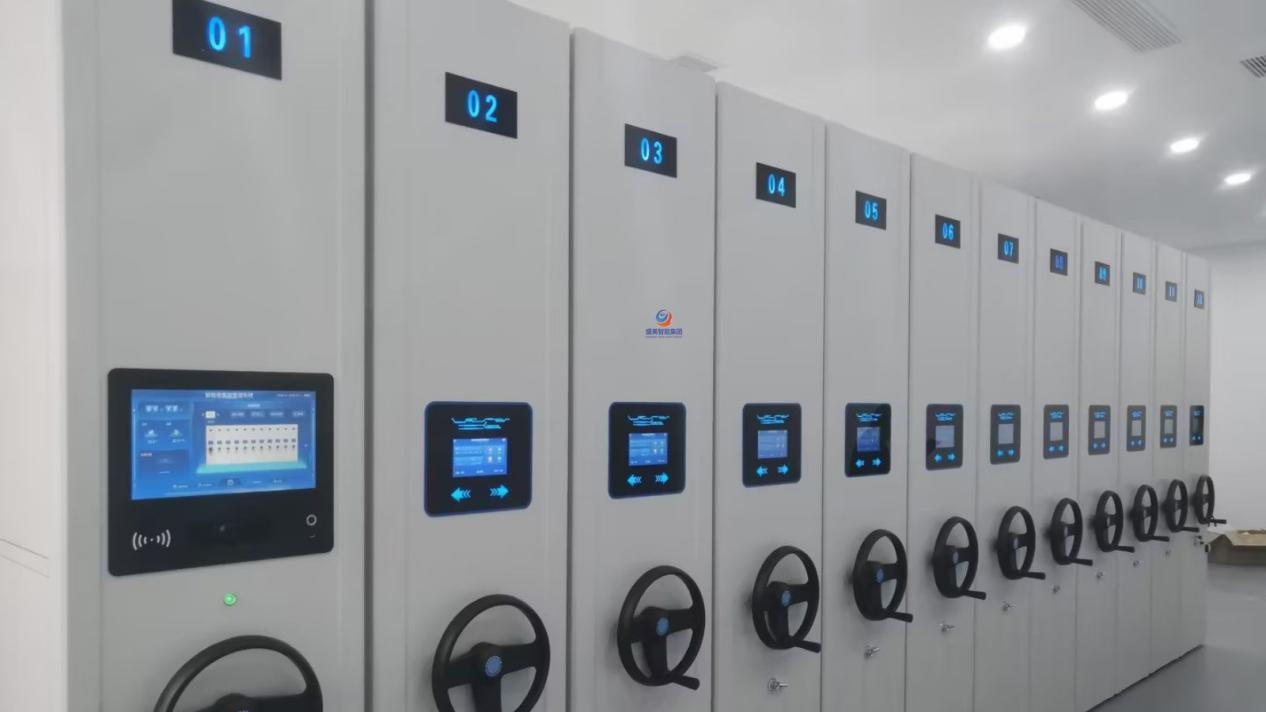
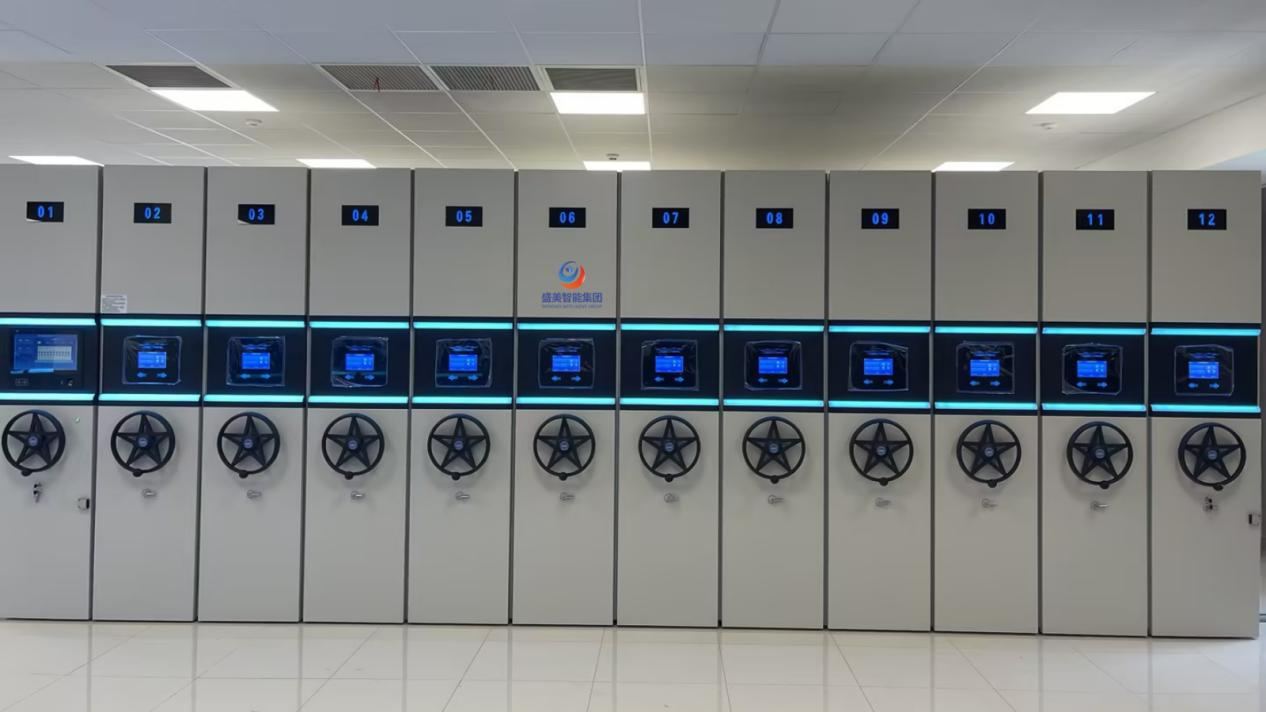
Buying mobile compactor shelving from overseas is a high-value fixed-asset purchase. If the supplier ships under-spec steel, weak workmanship or a late delivery, cross-border returns are barely realistic — the archive project absorbs the loss in time and money. Many overseas buyers select suppliers from photos, showroom samples and quotations alone, and walk straight into the classic trap: a high-spec showroom sample, then a quietly downgraded bulk order.
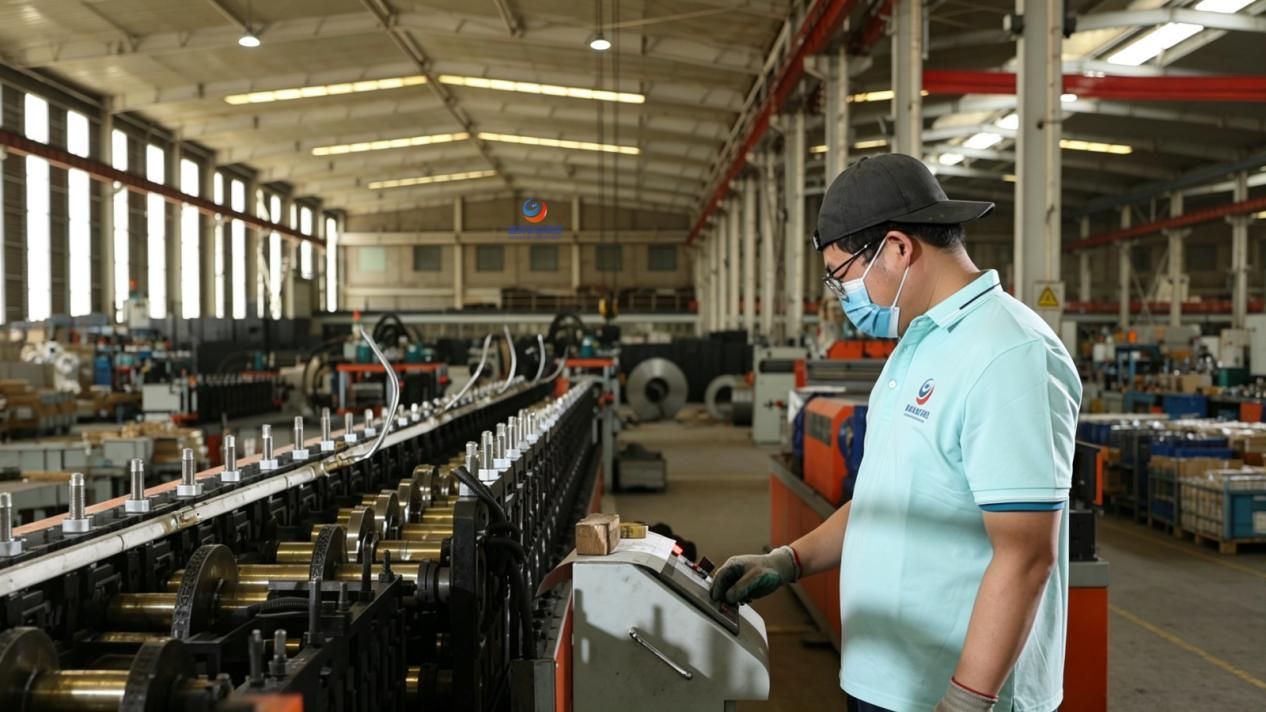
The fastest way to judge a supplier's real strength is a factory audit — walking the floor yourself. Not the showroom: the raw-material warehouse, the press and coating lines, final assembly, and the finished-goods area, where the true level of production control shows.
This guide is written for overseas archive procurement teams. It sets out a complete verification logic and a field-ready audit checklist for mobile compactor shelving — covering plant hardware, raw materials, core parts, workmanship, QC, certificates, overseas cases and delivery capability — plus remote alternatives for buyers who cannot travel, so you can shortlist reliable factories and de-risk the purchase.

Section 01
Why Factory Verification Matters in Overseas Procurement
The quality of mobile compactor shelving depends largely on the factory's supply-chain control, equipment level and QC system. The market is full of trading companies and small workshops without a complete production capability:
Traders with no workshop
Everything is subcontracted. They cannot control sheet thickness, drive components or coating quality, so bulk orders are easily downgraded.
Small workshops without automated equipment
Manual sheet-metal work leaves welding spatter and thin, uneven coating. The tracks and drive parts are bought from the cheapest source available.
No outgoing inspection
No load testing, no movement endurance testing. Problems — deformed panels, jamming bays — only surface after the goods reach the overseas archive room.
No export project experience
Unfamiliar with EN 15095 and archive storage standards, export packing and container loading plans — leading to cargo damage and customs trouble.
Section 02
Mobile Compactor Shelving Plant: Hardware and Capacity Checks
When you arrive, skip the showroom and read the plant first — its scale and what is actually running tell you the real capacity of a mobile compactor shelving factory.
1. Site and buildings
Confirm the plant is owned, not a rented workshop; distinguish a real manufacturer from a trading company that only keeps a display hall. Look at workshop scale and the orders currently in production — are other mobile compactor shelving or steel storage products on the line? Check the crew structure: sheet metal, welding, coating, assembly and packing positions should all exist in-house, so no critical process is outsourced without control.
2. Core production equipment
Mobile compactor shelving is a sheet-metal product; automation decides precision. Check that machines are running — do not just read nameplates:
Section 03
Mobile Compactor Shelving Raw Material and Parts Warehouse Checks
1. Mobile compactor shelving steel verification
Ask for incoming batch records and steel mill certificates. Bring a thickness gauge and measure on the spot: upright panels, shelf panels and track steel — then compare with the mobile compactor shelving tender specifications. Learn to tell cold-rolled steel from low-grade recycled stock by surface finish and flatness.
2. Core bought-in parts for mobile compactor shelving
Walk into the parts warehouse and check bulk stock, not the parts fitted on showroom samples:

Section 04
Production Process: Reading the Line
Walk the line and look at semi-finished work in progress. Four details of mobile compactor shelving workmanship carry the most information:
Section 05
QC Lab and Outgoing Tests for Mobile Compactor Shelving
Strong export factories run their own tests; small workshops test nothing. Check whether there is a dedicated inspection station or test area, then verify the outgoing test items for mobile compactor shelving:
Ask to see inspection records from past orders — a factory with a real QC process can show them immediately.
Section 06
Certificates, Overseas Cases and Delivery Capability
1. Standards and certificates
First establish whose certificate it is — the factory's own, or one borrowed from a third party. Ask for: EN 15095 test reports for archive storage equipment; salt-spray reports for the coating and material test reports for the steel; and common third-party audits such as ISO 9001.
2. Real overseas project cases
Do not rely on brochures. Ask for verifiable overseas archive projects: loading and container-stuffing photos, client delivery notes or contracts (commercial details may be redacted), and — most importantly — cases of the same archive-room type, not just domestic office cabinet orders.
3. Export delivery capability
Confirm the factory knows export sea-worthy packing with collision and moisture protection; assess capacity and the production schedule against your project deadline; and check trade support — packing lists, commercial invoices, customs documents and tender-response experience.
Section 07
Remote Verification for Mobile Compactor Shelving Buyers
Many overseas buyers cannot visit in person. A layered remote audit sharply reduces the risk of buying mobile compactor shelving sight-unseen — but never rely on edited videos or retouched photos:
Section 08
The Complete Mobile Compactor Shelving Audit Checklist
Print this table and take it to the factory. Nine categories cover a full mobile compactor shelving factory audit in about half a day:
| Category | What to check | Pass standard |
|---|---|---|
| Plant & capacity | Owned plant; complete sheet-metal and powder-coating line | A manufacturer, not a middleman — cutting, welding and coating done in-house, not subcontracted |
| Raw steel | Sheet thickness; steel mill certificates | Measured on site and matching tender specs — uprights ≥ 1.2 mm, shelves ≥ 0.8 mm, tracks ≥ 3.0 mm |
| Parts warehouse | Tracks, gears and bearings, EPDM gaskets, locks | Bulk stock in the warehouse — showroom parts and bulk parts must be the same |
| Workmanship | Deburring, welding, powder coating | Even welds, clean edges, uniform coating with adequate rust protection |
| QC process | Load and movement endurance tests; inspection records | A real outgoing-test process, with records available on request |
| Certificates | EN 15095, material, salt-spray, ISO 9001 | Certificate holder matches the factory you visited — no borrowed documents |
| Overseas capability | Archive project cases; export packing | Real overseas archive shipments and sea-worthy packing experience |
| Delivery support | Production lead time; export documents | Meets the project schedule; full export documentation provided |
Judging mobile compactor shelving on audit day
Work the table top to bottom: start at the raw-material warehouse while your thickness-gauge readings are fresh, then the parts store, the line, QC and finally the dispatch area — one pass, no repetition.

Section 09
Mobile Compactor Shelving Factory Audit FAQ
I cannot visit the factory in person — what are the alternatives?
Ask for live recorded walkthrough videos, incoming-material records, finished-product test reports, third-party certificates and past overseas project references; or commission SGS or a similar body for an independent remote or on-site audit.
Which checks matter most during a factory audit?
Actual steel thickness, automation level of the production equipment, the core-parts supply chain (tracks, drives, gaskets), the outgoing QC process, real overseas shipment cases, and safety-standard certificates — these directly determine product quality and delivery risk.
Can I judge quality from showroom samples alone?
No. Showroom units are usually high-spec demonstrators. You must check the production line, orders in progress and the raw-material warehouse to confirm bulk goods will match the sample — otherwise you meet the classic trap of a good sample and a downgraded shipment.
Closing
The Bottom Line
In overseas purchasing, the supplier's factory strength decides whether an archive project succeeds. A real audit is not a tour of a polished showroom — it goes into the raw-material warehouse, the parts store, the production line and the QC station to verify what bulk orders are actually made of.
Audit on site where possible; where not, layer live video, third-party inspection and sample testing to cross-check. Work through the checklist item by item, and you remove the classic export risks at the source — reduced steel, cheap parts, poor workmanship, late delivery and shipping damage — and shortlist a mobile compactor shelving supplier you can build on.
Disclaimer: this article is a general reference for overseas procurement. Evaluate each project against local regulations and the EN 15095 standard.