Cold Rolled Steel Mobile Compactor Shelving: Steel Thickness, Powder Coating & Durability Explained
Introduction
Roughly 90% of a mobile compactor shelving system's service life, load stability and corrosion resistance come down to two things: the steel substrate and the coating process. Buyers who focus only on appearance and price often face bowed shelves, peeling paint and stiff-rolling carriages within a few years. Engineering-grade units therefore use premium SPCC cold rolled steel as the core substrate, combined with thirteen-step pretreatment and imported electrostatic powder coating. This guide breaks that logic down in one read — thickness standards, material traps, coating parameters and acceptance checks — so overseas buyers can tell a premium cold rolled steel shelving system from a cheap one at a glance.
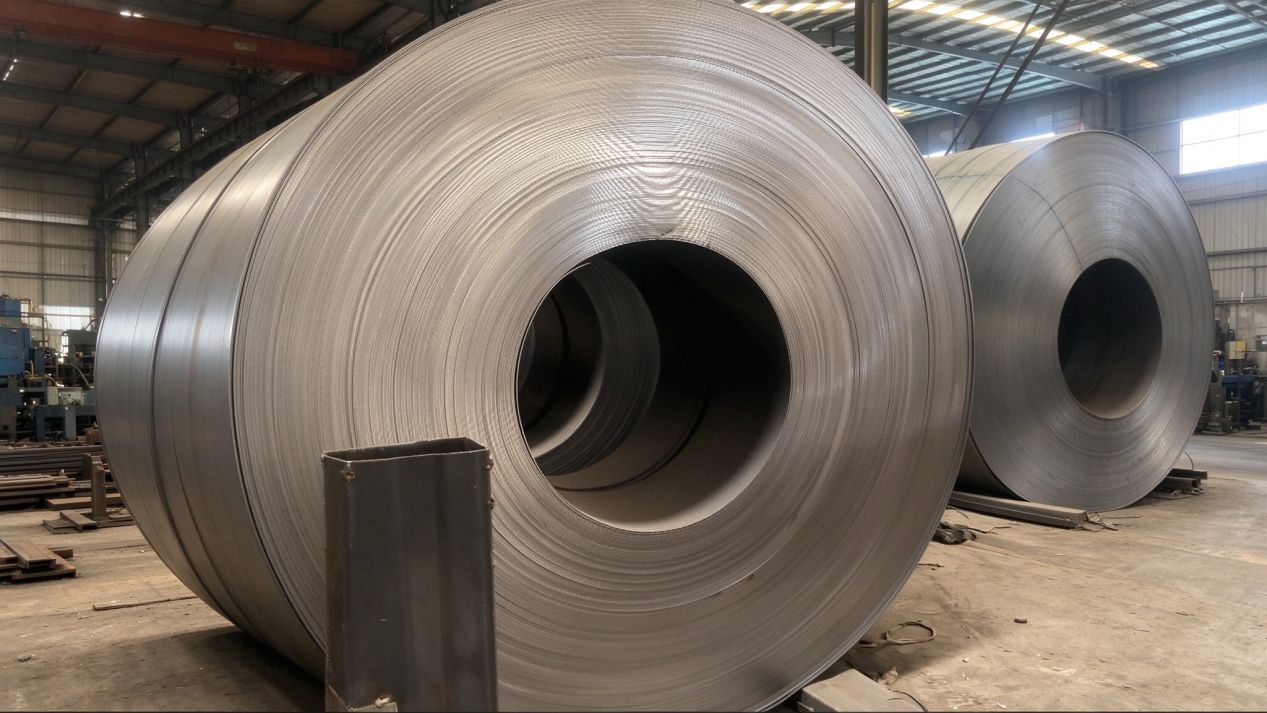
1. Why SPCC Cold Rolled Steel Is the First Choice for Mobile Compactor Shelving
The steel used in steel cabinets comes in two families: hot rolled and cold rolled. Premium archive shelving uses only SPCC cold rolled carbon steel sheet — fundamentally different from the cheap substrates behind ordinary tin cabinets and simple racks. Four properties match the specific working conditions of compactor shelving:

1.1 Smooth, fine surface with strong coating adhesion
SPCC cold rolled steel is cold-rolled, skin-passed and annealed, so its surface is smooth and uniform, free of oxide scale and coarse pitting, with stable surface activity. Compared with hot rolled steel — rough, porous and prone to oxidation — the cold rolled surface lets powder coating bite in deeply, eliminating paint loss, blistering and peeling so the finish stays intact for years of service.
1.2 Uniform structural hardness with strong load and anti-deformation performance
Compactor shelving carries full archive loads year-round while carriages slide and vibrate constantly. Cold rolled steel has a dense metallurgical structure with uniform hardness and high toughness, so it resists stress deformation: shelves stay straight under long-term full load, uprights resist leaning under sustained compression, and the whole structure stays stable for decades.
1.3 High dimensional accuracy with even panel gaps
Cold rolled steel has tight thickness tolerance and high flatness. After CNC punching and bending, formed parts are precise, panels join tightly and gaps stay even, so carriages roll smoothly without jamming, looseness or noise — exactly what the precision sliding structures of smart and manual systems require.
1.4 Stable, weather-resistant material for long-term archive environments
Archive rooms run at constant temperature and humidity with limited ventilation. The cold rolled steel substrate has an inherently better rust-resistant base than hot rolled material, and paired with a professional coating process it withstands humid oxidation and mild acid/alkali attack — suited to repositories that sit for years yet open and close every day.
2. True Plate Thickness of Compactor Shelving: GB Standards & Selection Criteria
Plate thickness is the core indicator of a shelving system's load capacity and structural stability (see also our floor load-bearing requirements for compactor shelving). Proper engineering standards always calculate from measured bare-plate thickness — excluding coating and film layers — leaving no room for inflated claims. Following GB/T 13667.1 (general technical conditions for steel book shelving), SHENGMEI's engineering-grade cold rolled steel thickness schedule is:
| Component | GB bare-plate thickness | Core function | Durability performance |
|---|---|---|---|
| Main uprights (overall support) | 1.5 mm cold rolled steel | Carries full-shelf load, vertical compression, slide stability | No leaning or deformation under long-term full load; stable and quiet |
| Shelves & dividers (load surface) | 1.2 mm cold rolled steel | Concentrated per-level load; bending and compression resistance | No sagging or bending under long-term full file loads |
| Side panels, doors, tops, bottoms | 1.0 mm cold rolled steel | Enclosure, structural reinforcement, dust protection | Square body that holds its shape; gaps stay even for years |
| Baffles, hanging panels, small sheet parts | 0.8 mm cold rolled steel | Auxiliary division, positioning, dust shielding | Lightweight without weakening the main structure |
This thickness mix is the common engineering standard for archive repositories worldwide. It balances structural strength, load performance and cost, and it supports 15+ years of high-load, deformation-free service.
3. Common Cost-Cutting Tricks Behind Inferior, Overstated Steel
Cheap shelving on the market commonly suffers from inflated thickness, downgraded materials and out-of-tolerance gauges. Procurement teams fall into these traps easily; these are the classic tricks and their consequences — most of them also appear in our list of 7 common pitfalls in compact shelving procurement:
3.1 Inflated thickness — counting coating as steel
Inferior makers claim 1.5 mm and 1.2 mm while the bare plate is only 1.0 mm and 0.8 mm, counting the surface film and coating layers into the “steel thickness.” The measured bare plate is badly thin; under long-term full load, shelves sag and uprights wobble.
3.2 Mixing in hot rolled or recycled steel
Non-compliant products substitute hot rolled or scrap steel for SPCC cold rolled steel. The surface is rough, internal impurities are plentiful and internal stress is unstable; within half a year you can expect localized deformation, paint cracking and rust spotting.
3.3 Out-of-tolerance gauges with critical parts thinned
Load-bearing uprights and shelves are deliberately thinned while cosmetic panels meet spec. Overall load capacity drops sharply, bays sway and lean as they roll, and in serious cases carriages jam on the rails.
3.4 Local material cuts: fewer ribs, fewer bends
Reduced stiffeners, fewer bends and simplified reinforcement look identical on the surface but lack structural strength and durability — unsuited to long-term heavy archive storage.
4. The Complete Process: 13-Step Pretreatment + Electrostatic Powder Coating
The substrate determines the shelving's “foundation strength”; the coating process determines its “service life and corrosion class.” Premium engineering-grade units use a complete 13-step pretreatment plus electrostatic powder coating line — unlike the crude spray painting or simple powder dipping of low-grade workshops — and this is a core acceptance standard for high-end overseas projects.
4.1 Precision sheet-metal finishing
All sheet-metal parts are CNC cut, bent and punched; burrs, sharp edges and weld points are hand-ground away so every workpiece presents a flat, defect-free surface. That is the quality base for coating, preventing paint buildup, pinholes and runs.
4.2 Thirteen-step chemical pretreatment (the core rust-proofing foundation)
The full sequence includes pre-degreasing, main degreasing, rinse degreasing, acid pickling for rust removal, neutralizing and surface conditioning, pure-water rinsing, phosphating film formation and passivation sealing. Oil, rust and oxide layers are completely removed, and a dense phosphate conversion film forms on the steel, sharply improving powder adhesion and eliminating paint loss, rust and blistering at the root.
4.3 High-temperature pre-drying and dehumidification
After pretreatment, parts pass through a high-temperature drying tunnel that evaporates moisture from the steel's micro-pores. Workpieces enter coating fully dry, preventing later blistering or delamination caused by trapped moisture.
4.4 Automatic electrostatic powder spraying
A fully automatic electrostatic line applies AkzoNobel eco-friendly thermosetting powder. The charged powder wraps uniformly around front and back faces, edges and seams with no dead zones, giving an even, full film — unlike manual spraying with its uneven thickness, missed spots and paint pooling.
4.5 High-temperature curing
After spraying, parts cure at 180–200 °C. The powder melts and cross-links into a hard, dense, weather-resistant protective film that meets requirements for adhesion, hardness, impact resistance and corrosion resistance.
5. Coating Process Parameters & National-Standard Film Performance
SHENGMEI engineering-grade shelving strictly follows the GB/T 13667 coating standards for cabinet finishes. The core parameters are transparent and testable, suited to domestic and overseas tender acceptance and long-term durability needs:

| Test item | National-standard parameter | Performance notes |
|---|---|---|
| Film thickness | 60–80 μm | Uniform; never thin enough to expose the base, never thick enough to run; a full, stable anti-corrosion layer |
| Film hardness | ≥ Class F | Scratch- and wear-resistant; everyday knocks leave no marks |
| Adhesion class | ≥ GB 1720 Class 2 | No detachment in the cross-cut test; no peeling in long-term humid environments |
| Impact strength | ≥ 3.92 J | No cracking, flaking or wrinkling under external impact |
| Salt-spray & corrosion resistance | Long-life anti-corrosion compliant | Withstands humid archive air and trace acidic gases; no rust or yellowing year-round |
| Film gloss | Matte, 32° or above | Fine texture, non-glaring, aging-resistant, color-stable |
The full parameter set matches international coating standards for archival storage equipment, ensuring 10+ years of finish stability and long-term corrosion protection in constant-temperature, humid, enclosed repositories.
6. Core Durability Advantages Built by Substrate + Process
A quality cold rolled substrate plus a standardized coating process together give compactor shelving five core durability advantages — the value points engineering buyers and long-term repository operators care about most:
6.1 Permanent structural deformation resistance, no load decay
True-gauge thickened cold rolled steel with multi-point bending reinforcement keeps shelves and uprights stable under year-round full load — no sagging, no deformation — preventing aging problems such as leaning bays, jamming slides and misaligned gaps.
6.2 Full-body anti-corrosion for humid repositories
The phosphate base plus electrostatic powder form a double protective layer that seals the steel's micro-pores against air and moisture oxidation. In humid southern regions and enclosed archive rooms the system needs no frequent maintenance — no rust, no spotting, no peeling.
6.3 Aging-, yellowing- and scratch-resistant finish
The imported eco-friendly powder, cured at high temperature, resists UV, air oxidation and daily friction. Years in, the finish stays even and clean — no large-area yellowing, mottling or paint loss.
6.4 Long-term precision in the sliding structure
A flat substrate and a stable structure keep rails, rollers and uprights precisely aligned, so carriages roll smoothly and quietly for years — no looseness, no noise, no jams — sharply reducing after-sales maintenance costs.
6.5 Eco-friendly and odor-free, suited to sealed archives
Lead-free eco-friendly powder coatings emit nothing after high-temperature curing — no volatiles, no odor, no pollution. The system meets indoor environmental standards at home and abroad, protecting both sealed-archive air quality and the stored records themselves.
7. Buyer's Material Acceptance Checklist
For overseas projects, universities, law firms and government bulk purchases, these field-ready acceptance points make it easy to avoid low-price, low-quality traps — they pair well with our factory audit checklist for overseas buyers:
1. Always check measured bare-plate thickness. Use calipers at acceptance, exclude coating and film interference, and strictly verify 1.5 mm uprights, 1.2 mm shelves and 1.0 mm side panels. Refuse inflated claims.
2. Verify substrate material certificates. Require the SPCC cold rolled steel mill certificate, powder brand report and test certificates, and block substitution with hot rolled plate, recycled steel or off-brand powder.
3. Inspect finish craftsmanship details. Premium coating is fine and even — no grains, pinholes, runs or missed spots, with edges and seams fully covered. Inferior work is rough, visibly off-color, thin at edges and collects dust.
4. Run a simple adhesion test. A cross-cut test tells the story: quality film cuts cleanly with no detachment, while poor coating flakes off at the first stroke.
5. Check overall structural flatness. Finished cabinets should be square, gaps even, rolling free of wobble. Thin-gauge products wobble even when empty and deform noticeably under load.

8. Frequently Asked Questions
Q1. Why must mobile compactor shelving use SPCC cold rolled steel?
Substrate choice directly determines system life. SPCC is a premium deep-drawing cold rolled steel strip under the JIS standard — smooth surface, uniform internal structure, consistent springback after CNC bending, tight panel joints and stable rolling. Compared with ordinary hot rolled plate, it suits long-term full-load, open-and-close-every-day storage equipment, and it is the mainstream substrate for export engineering orders.
Q2. What is the national-standard plate thickness, and how do you tell inflated from true ratings?
For overseas acceptance, measure the bare plate directly with a vernier caliper. The industry-standard mix is 1.5 mm main uprights, 1.2 mm shelves and 1.0 mm side and door panels. Watch for three inflation tricks: counting coating thickness into the steel, passing hot rolled plate off as cold rolled steel, and quietly thinning key load-bearing parts. Random sampling and measuring on arrival is the most direct safeguard.
Q3. How does a premium coating process affect shelving durability?
A proper 13-step pretreatment plus imported AkzoNobel electrostatic powder forms a 60–80 μm dense anti-corrosion film with strong adhesion, acid/alkali resistance, humidity resistance and anti-aging performance. It prevents rust, peeling and yellowing at the source, keeps the shelving stable for 15+ years in repository environments and sharply cuts operating costs.
Q4. Does cold rolled steel shelving need periodic repainting for rust protection?
Properly processed units need no periodic repainting. Full phosphating pretreatment plus high-temperature cured electrostatic powder delivers an extremely high anti-corrosion class; in a normal dry, ventilated archive the system stays rust-free and maintenance-free for the long term.
Q5. Is thicker steel always better for shelving quality?
A sensible gauge mix beats blind thickening. The national-standard 1.5/1.2/1.0 mm schedule fully satisfies heavy engineering loads. What matters is true gauge, a genuine cold rolled substrate and a standardized coating process — blind thickening only raises cost and weight without improving real durability.
Conclusion
The quality and durability of mobile compactor shelving come not from appearance design but from three hard indicators: substrate selection, true plate thickness and coating process. Premium SPCC cold rolled steel provides a stable, deformation-free structural base; true national-standard gauges guarantee long-term heavy-load stability; and the 13-step pretreatment plus premium electrostatic coating builds a long-lasting anti-corrosion, weather-resistant protective layer. Only the three together create engineering-grade shelving that serves archive rooms stably for a decade or more.
When procuring, never compare only on low price while ignoring the long-term hidden costs of inflated gauges, downgraded materials and cut-short processes (see our hidden-cost checklist for compactor shelving projects). Insist on a genuine cold rolled substrate, true national-standard thickness, brand-name powder coating and complete process standards — that is how you get one-time investment with long-term maintenance-free, high-durability, high-stability value, suited to the standardized construction of university, law-firm, government and overseas archive repositories.
Disclaimer: The material parameters, process standards and performance data in this article reference the GB/T 13667 series of national standards and are provided for engineering procurement, repository renovation and equipment selection reference only. Final acceptance criteria follow project tender documents and local industry codes.
Engineering Consultation
Need engineering-grade material parameters, thickness schedules, tender technical documents or custom overseas project specs? SHENGMEI Cabinet provides free technical consultation and material-selection plans for overseas distributors, government and enterprise buyers, and university projects.
Email: info@shengmeicabinet.com
WhatsApp (overseas projects): Kerwin +86 189 3280 1260
Email subject format: Shelving Material Consultation + Project Type + Repository Area + Country/Region