Shared Archive Room Planning · Overseas Projects
Compactor Shelving Zoning: 4 Zones for a Multi-Department Shared Archive Room
Compactor shelving zoning is the planning step that decides whether a shared facility stays orderly for a decade. Across overseas government branches, non-profit organisations and enterprise campuses, the multi-department shared archive room has become the default model for storing paper records: several departments pool their budgets into one facility instead of building separate vaults. A shared archive room saves floor space, avoids duplicated equipment and keeps operating costs low — exactly why it is the mainstream choice for small and mid-sized record centres.
In daily operation, however, the same failures repeat: files from different departments get mixed together, staff pull folders without logging them, confidential papers sit unlocked on open shelves, and after a few years the ledger no longer matches the shelves — a fatal position when a compliance audit arrives.
The fix is not more staff or more paperwork. It is engineering: use compactor shelving zoning to give every department a fixed, isolated territory inside the multi-department shared archive room, pair physical separation with tiered access permissions, and make every touch of a file traceable. This guide walks through the complete zoning plan in four functional zones. Projects with a smaller footprint can start from a manual compactor shelving setup for a small archive room and grow into the full four-zone model.
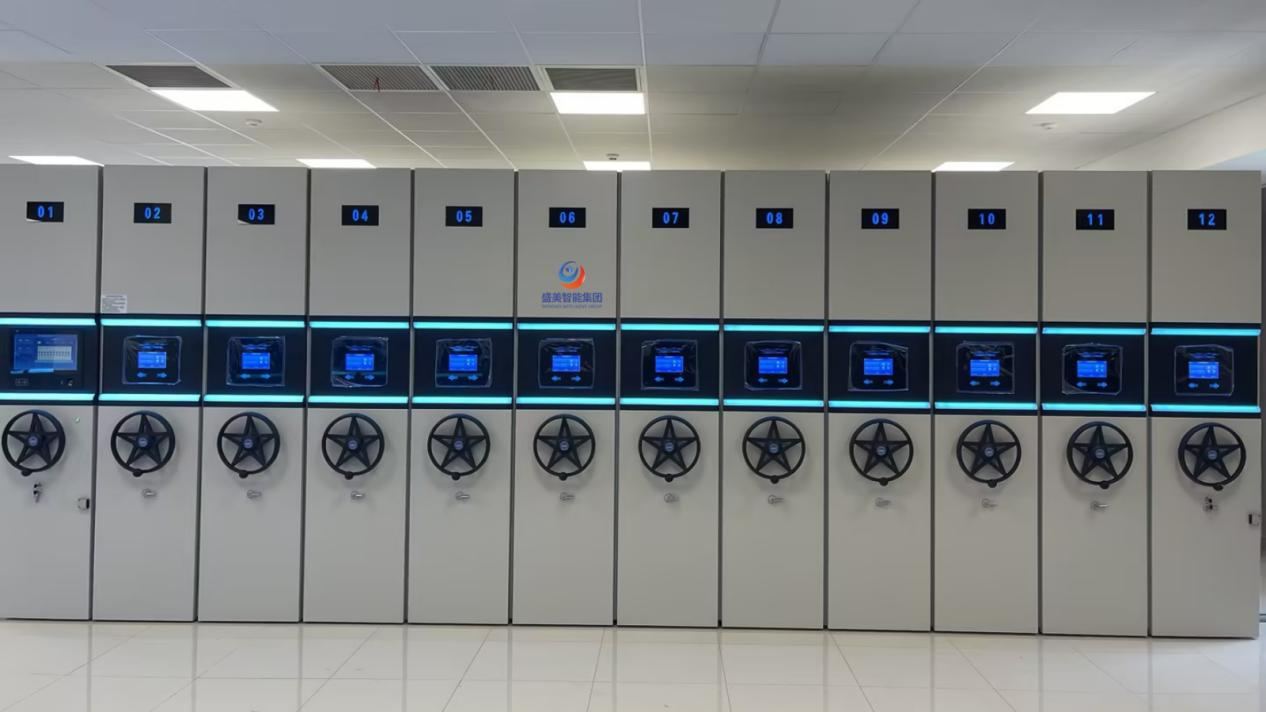
 Fig. 01 — Zone identity: numbered bays and per-zone signage give every department a visible territory inside the shared archive room.
01Where a multi-department shared archive room breaks down
Without zoning planned in advance, the pain points of a multi-department shared archive room concentrate into five familiar complaints — the same ones overseas distributors hear from end clients:
1. Mixed, unordered files — the ledger and the shelves drift apart
HR, finance, administration and business files pile up without a fixed home, and new folders simply fill whatever shelf is free. Over time the register says one thing and the room says another; folders that are officially “on file” take an hour to find.
2. No permission boundaries — everyone can reach everything
Any staff member can open every bay of the compactor shelving, so confidential vouchers, private HR records and classified documents sit with no protection against leaks or loss.
3. Borrowing without a process — and without a record
Verbal borrowing and grab-and-go retrieval are routine. No online or paper register, no return reminders — and some files end up occupied by one person for months, blocking cross-department work.
4. Blurred responsibility — damage and loss cannot be traced
When a file comes back torn, missing or misfiled, nobody can establish who touched it last or which department owns it.
5. Non-compliance with overseas audit rules
Public-sector archive regulations in most regions require clear classification, independent storage areas, full operation trails and controlled access. A mixed-storage multi-department shared archive room rarely survives a scheduled audit.
02Four zoning principles for shared archive room planning
Zoning design for a multi-department shared archive room does not need to be clever or complicated. It needs to be easy to implement, simple to operate, stable for years, expandable and audit-ready. Four principles cover all of it:
A dedicated zone per department
Each department receives fixed compactor shelving bays, used exclusively — cross-department dumping is blocked at the source.
Public and private areas separated
Confidential, private and open records live in different zones, so a leak never starts with a shared shelf.
Permissions matched to zones
Access is granted per zone and per role — whoever manages a zone can retrieve from it; there is no all-staff master key.
Expansion space reserved on day one
Spare bays absorb year-on-year growth and newly added departments, so the layout never needs a destructive retrofit.
03The four functional zones of compactor shelving zoning
For small and mid-sized overseas record centres, divide the archive room into four functional zones. The layout is simple to build, easy to run and fits nearly every multi-department shared archive room project. Before any zone is drawn, confirm the room’s floor load-bearing capacity for rail-mounted compactor shelving — see our guide to floor load bearing requirements for compactor shelving.
Department-exclusive archive area · core zone
Fixed compactor shelving column groups for administration, HR, finance, legal and business, each signed and used only by the owning department: daily correspondence, contracts, personnel files, vouchers, project documents, approvals. Only authorised staff of that department may store or retrieve here.
Public shared archive area
Organisation-wide, non-private, unclassified documents — internal policies, public notices, annual reports, training materials, common templates. Everyone may read and borrow; no one may move, trim or replace a file, so the public collection stays complete and five departments stop keeping five copies.
Confidential isolation zone · high-spec must-have
A physically locked, system-protected territory for classified correspondence, core financial statements, private HR files, judicial case files and secret project documents. Only the top administrator or a designated confidential-records officer may operate here, and every action is logged.
Reserved expansion buffer
One or two spare compactor shelving groups at the end of the room absorb growing volumes, new departments and temporary archiving tasks — keeping the multi-department shared archive room orderly for the long run.
04Manual vs smart compactor shelving: zoning differences
Overseas clients always ask whether a multi-department shared archive room should run manual or smart compactor shelving. The zoning models differ clearly, and each fits a distinct scenario. For the full trade-off analysis, see our manual vs smart compact shelving comparison.
Manual compactor shelving zoning — budget-friendly
Zoning is delivered physically: shelving groups, independent column locks, zone signage and a categorised paper register. It suits budget-limited, low-retrieval-frequency, small multi-department shared archive rooms. No power needed, low maintenance, durable hardware, no system commissioning.
Smart compactor shelving zoning — compliance-grade
On top of the physical zones, an archive management system adds tiered account permissions, electronic zone locks, complete operation logs, online borrowing records and automatic inventory counting. It fits government bodies, public institutions and any project with strict audit requirements, delivering fine-grained digital zoning control.
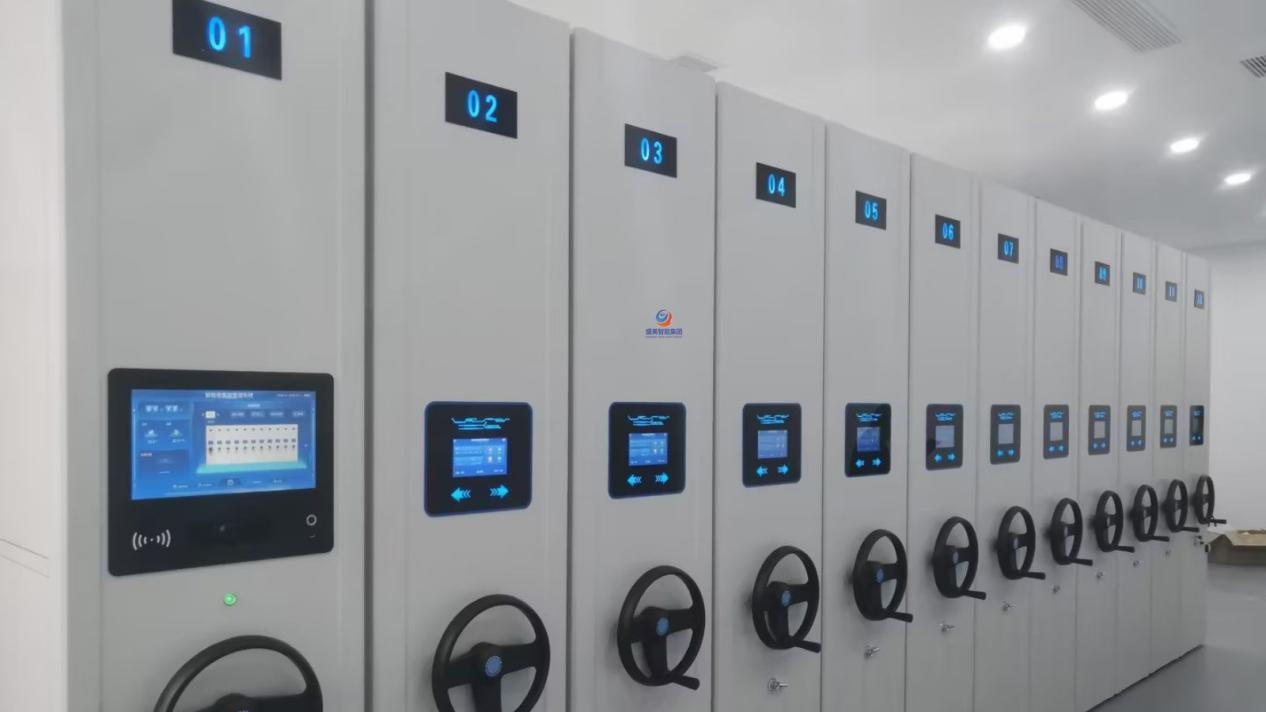
 Fig. 02 — Manual system: column locks, numbered zone signs and a paper register deliver zoning on a budget.
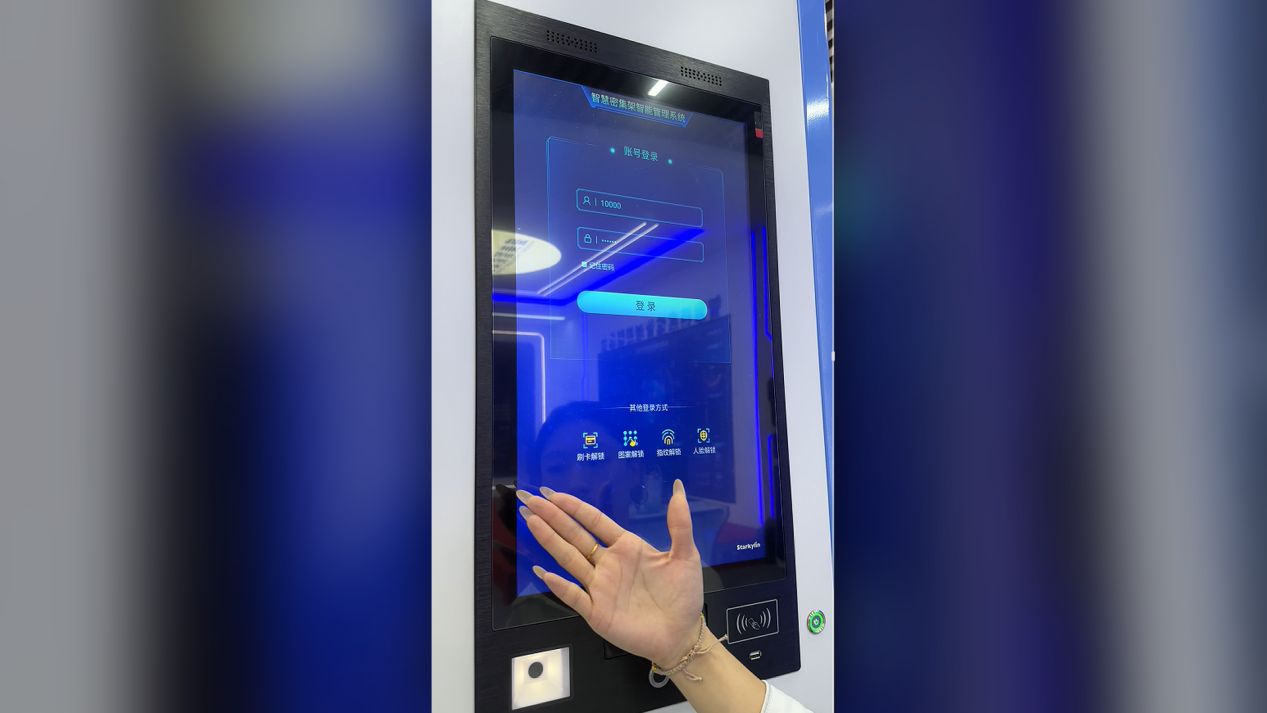
 Fig. 03 — Smart system: touchscreen control, electronic zone locks and full operation logs for audit-grade zoning.
05Department filing standards that prevent mixed storage
Compactor shelving zoning only holds its shape if every category of record has a fixed home. Assign each one its own address, and the multi-department shared archive room stays self-organising:
| Category | Typical records | Storage rule |
|---|---|---|
| HR archives | Employee files, onboarding and offboarding, appraisals, training | HR-exclusive zone only |
| Finance archives | Vouchers, statements, tax files, audit papers | Independent locked zone, strict access |
| Administration | Circulars, meeting minutes, policy notices | Admin zone / public shared area |
| Business archives | Contracts, execution files, approval records | Owning department’s exclusive zone |
| Confidential | Classified records of any department | Isolation zone only — never mixed |
06Tiered access permissions: no unauthorised retrieval
The key to an orderly multi-department shared archive room is binding access rights to storage areas. A smart system supports three permission levels:
Super administrator
Full control of the archive room: adjusts department permissions, reads every operation log, allocates archive ownership.
Department administrator
Manages only the home department’s zone — filing, stocktaking, borrowing approvals — with no access to other departments’ areas.
General reader
May query public archives only: no physical retrieval, no modification, no moving files between zones.
Every open, retrieve, return and borrow action is logged automatically — exactly the operation trail overseas compliance audits ask for. Deep-dive: compactor shelving for enterprise compliance records.
07Standard daily operations for a multi-department shared archive room
Once the zones are drawn, compactor shelving zoning is kept alive by five routine operations. Run them the same way in every department and the room never drifts back into chaos:
- Accession and filing. New records are classified by department, stored in the owning zone, registered and given a fixed location.
- Borrowing application. Staff submit a request; the department administrator approves and authorises before retrieval.
- Automatic due reminders. The system tracks loan periods and pushes due alerts so files are not occupied indefinitely.
- Return and re-shelf. Returned files are checked for completeness, re-shelved in the original zone, and the ledger is updated.
- Periodic zone stocktaking. Each department counts its own zone, reconciling ledger against shelves and catching misfiles and losses.
08Frequent zoning mistakes in overseas archive room planning
These are the five mistakes we most often see when a multi-department shared archive room is planned without a zoning engineer:
- Zones without permissions. Areas are drawn on the floor plan, but everyone can still open every bay — zoning exists on paper only.
- Confidential files mixed with ordinary ones. A leak risk, and an outright audit failure overseas.
- No expansion buffer. Growth squeezes the room into chaos and forces a destructive retrofit.
- Relying entirely on manual registers. No operation trail means no accountability when something goes wrong.
- Expecting shelving to stop damp and mould. Compactor shelving zoning fixes storage order and access safety; humidity control needs separate environmental equipment.
09Overseas buyer FAQ on archive room zoning
10Build a compactor shelving zoning plan that lasts
A multi-department shared archive room is not “shelving plus files”. Long-term efficiency, safety and compliance come from scientific zoning, classified storage, permission isolation and standardised processes. With the four-zone layout and the right choice of manual or smart compactor shelving, one project simultaneously solves mixed storage, unauthorised retrieval, lost files, untraceable errors and failed audits.
For overseas government branches, public record centres and enterprise archive rooms, compactor shelving zoning is the standard configuration of a shared project — and distributors who plan the zoning and permission scheme early win the project with a visibly more professional proposal. When the scope turns digital, the smart compactor shelving selection guide lists the technical parameters to lock down before ordering.
One boundary to state clearly: a zoning system optimises storage order and access safety; it does not provide temperature control, dehumidification or mould protection. Coastal and island projects need dedicated environmental equipment alongside the shelving.
Mobile compactor shelving and smart management systems handle storage, zoning control, permission assignment and operation logging only. The equipment itself does not provide temperature or humidity control, dehumidification or mould protection — archive rooms in humid regions need a dedicated dehumidifier or constant-temperature and humidity unit.
Need a zoning layout reference, a permission scheme or adaptation advice for an overseas multi-department shared archive room? Shengmei Cabinet provides technical docking and delivery support for archive room projects worldwide.
Email subject format: Shared Archive Room Zoning Consultation + Region + Number of Departments