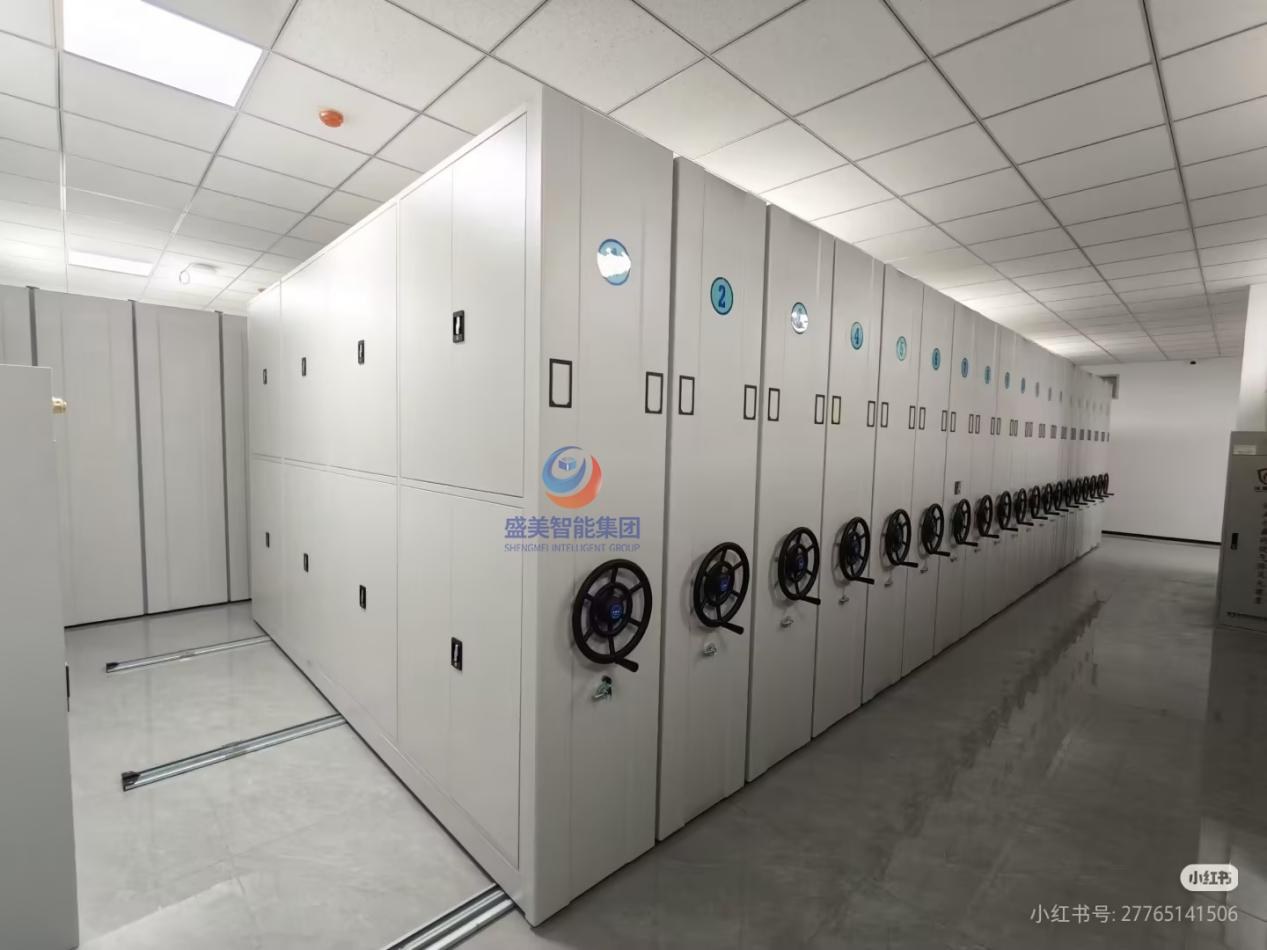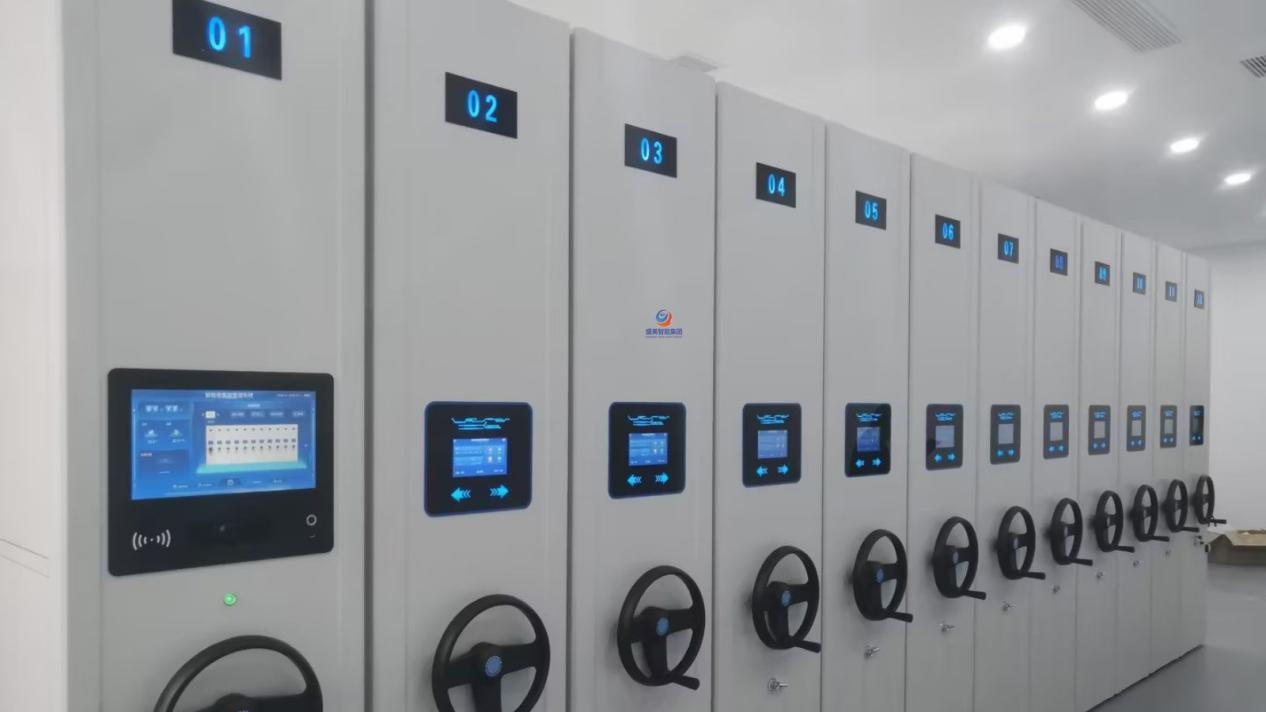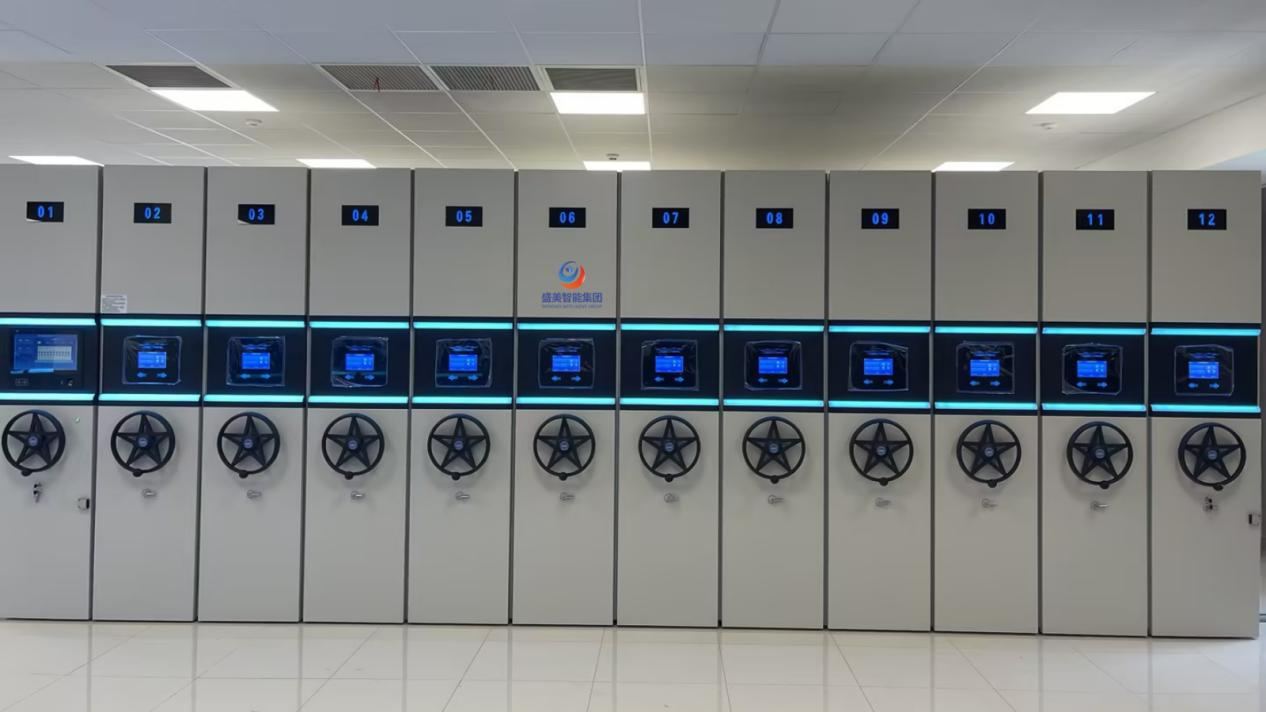
Manual VS Smart
Compactor Shelving Guide
The complete, zero-risk selection playbook for overseas buyers
The Industry's #1 Selection Mistake: Why Mismatches Happen
Across today's domestic and overseas archive-equipment procurement, one fatal cognitive bias dominates — and it is the root cause of over 90% of archive-room engineering hazards, failed acceptances, and long-term O&M losses. Most purchasers, general contractors, and designers treat operating convenience as the only selection criterion: manual shelving is "just tedious to operate", smart shelving is "just easier to use". They ignore the fundamental gaps between the two equipment categories across structural loading, dynamic operating conditions, safety protection grade, civil-construction standards, overseas compliance audits, and long-term settlement risk.
Under the 2026 archive-engineering compliance framework, Manual Compactor Shelving is a purely static mechanical storage device — no electrical control, no powered drive, no dynamic impact. It runs entirely on hand-crank operation, applies only a static uniform load to the floor, tolerates lower thresholds on floor bearing, concrete strength, and leveling, and suits low-frequency, ordinary, non-high-standard projects with tight budgets.
Smart Compactor Shelving is premium electromechanical heavy-load special-purpose equipment — full-automatic drive, intelligent control terminal, multi-layer safety structures, and data traceability. Its high-frequency start-stop, reciprocating displacement, and instantaneous power impact continuously impose alternating loads on the floor and rails, so it demands mandatory hard standards on floor bearing, base compaction, concrete strength, levelness, and anti-settlement workmanship — with a far higher compliance threshold. The two categories must never share civil standards, be swapped at will, or be force-fitted by downgrade.
Hardware Structure & Operating Conditions: The Real Difference
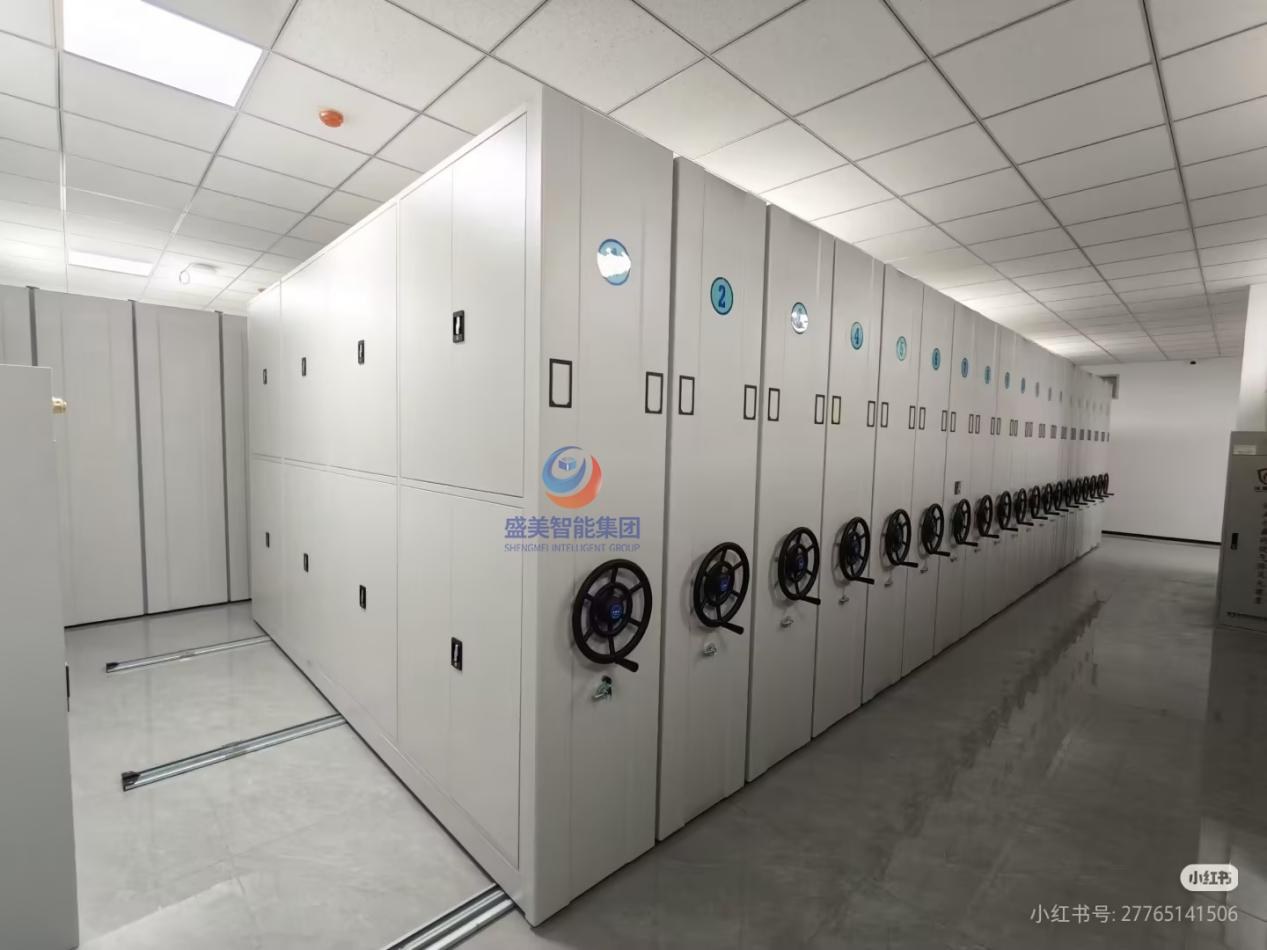
All-Steel Static Mechanical Storage
Handwheel transmission, gear reduction, fixed load-bearing rails, steel shelves, and mechanical limits — zero electrical parts, uniform static loading, and a near-zero full-lifecycle failure rate.
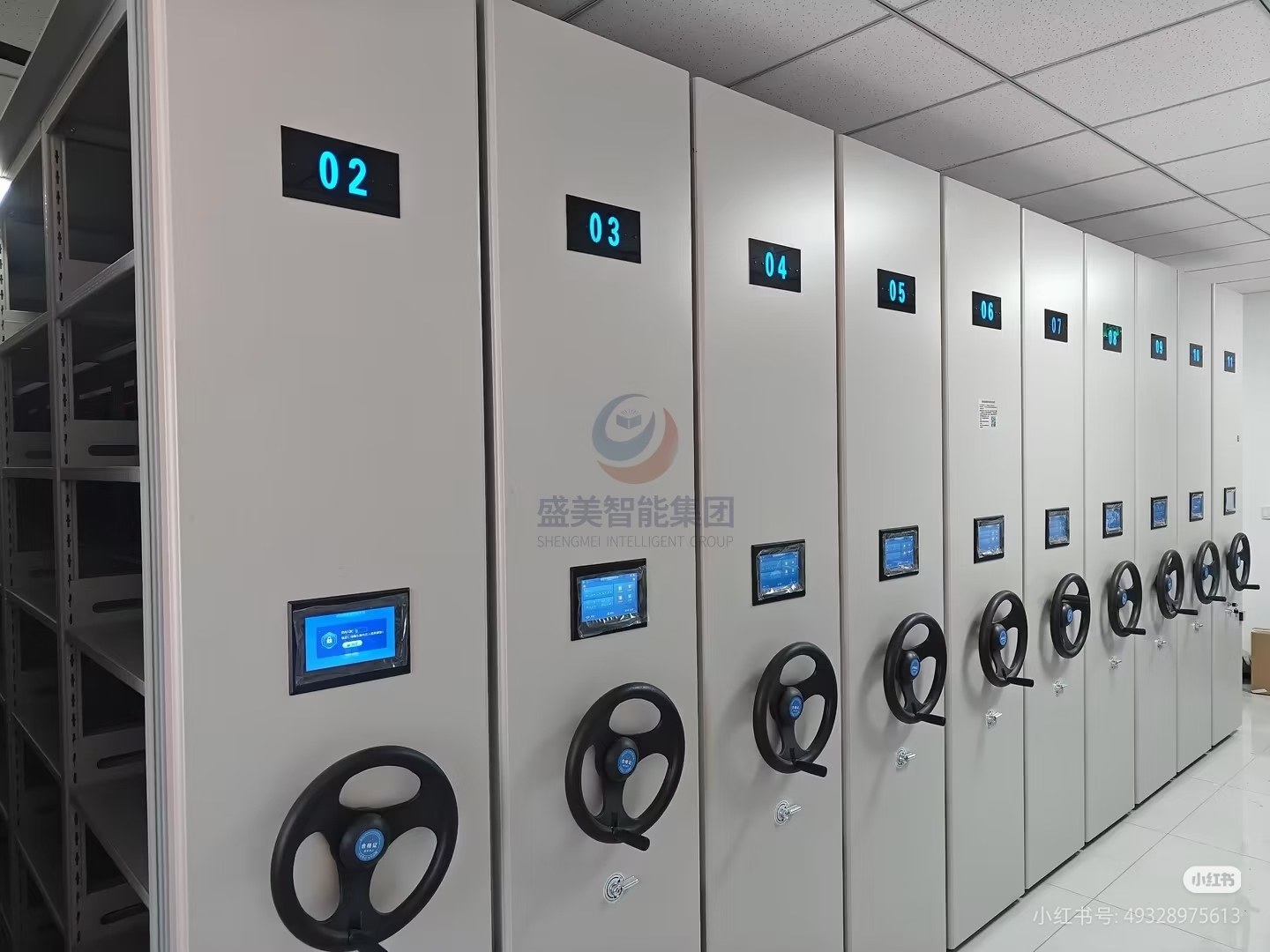
Electromechanical Intelligence
Silent drive motors, intelligent main control, multi-layer safety sensing, anti-tilt monitoring, auto-calibration, and permission traceability — engineered for high-frequency, all-weather digital archive rooms.
🖐️Manual Compactor Shelving
Driven purely by human force: uniform transmission, smooth running, no sudden acceleration, no high-frequency start-stop. Under full load, weight spreads evenly across rails and floor — no dynamic impact, no alternating pull, almost zero dynamic wear on the civil foundation. Daily care needs only simple cleaning; hardware loss is minimal.
- Lower adaptation threshold — basic-compliance device
- Low-frequency use & ordinary filing
- Short construction period, low renovation cost, low risk
🤖Smart Compactor Shelving
Unmanned auto-operation, remote control, intelligent inventory, and fault self-checks — but the complex automated duty cycle continuously generates dynamic impact and reciprocating friction stress. Minor floor deformation or slight rail offset directly causes positioning deviation, jamming, safety alarms, and automation failure.
- Mandatory hard standards: bearing, compaction, strength, levelness, anti-settlement
- Serves high-frequency, high-intensity, all-weather O&M scenarios
Two High-Frequency Mismatches, Two Irreversible Losses
Project reviews show engineering mismatches concentrate in two patterns — each one an irreversible project loss:
Mismatch 01🚧 Low-Spec Room + Forced High-Spec Equipment
An old renovated archive room with insufficient floor bearing and no dedicated reinforcement is forced to host Smart Compactor Shelving. Under long-term dynamic loading, the failure chain unfolds step by step:
The end state: equipment paralysis, audit rejection, and expensive rework — a loss that cannot be reversed.
Mismatch 02💸 High-Spec Room + Downgraded Low-Spec Equipment
A newly built high-standard digital archive room, with civil works already executed to heavy-load specifications, ends up equipped with Manual Compactor Shelving. The reinforcement cost and high-grade infrastructure are severely wasted; the room cannot support digital management, intelligent O&M, or full traceability — the project fails high-end archive ratings and overseas standardized audits.
Floor Load-Bearing & Construction Standards — The Hard Divide
Floor bearing and foundation construction are the biggest hard dividing line between the two systems — and the core inspection item of engineering audits and structural acceptance. Load standards, foundation workmanship, and floor parameters are completely non-interchangeable:
| Comparison Item | Manual Compactor Shelving | Smart Compactor Shelving | Selection Conclusion |
|---|---|---|---|
| Static uniform floor load | ≥ 6.0 kN/m² | ≥ 8.0 kN/m² | Smart needs higher load redundancy |
| Localized rail load | ≥ 8.5 kN/m² | ≥ 12.0 kN/m² | Smart rail load rises significantly |
| Concrete base strength | Conventional C25+ | Mandatory C30+ | Smart prohibits low-grade concrete |
| Floor flatness tolerance | ≤ 3 mm / 2 m | ≤ 2 mm / 2 m | Smart demands strict leveling precision |
| Foundation reinforcement | Conventional leveling, standard channel-steel fastening | High-precision leveling, dense fastening, integral anti-settlement cushion | Smart requires dedicated reinforcement |
| Dynamic load verification | Not required | Mandatory: dynamic alternating + settlement dual check | Exclusive smart compliance requirement |
Safety Systems & Compliance Grades — The Overseas Veto Item
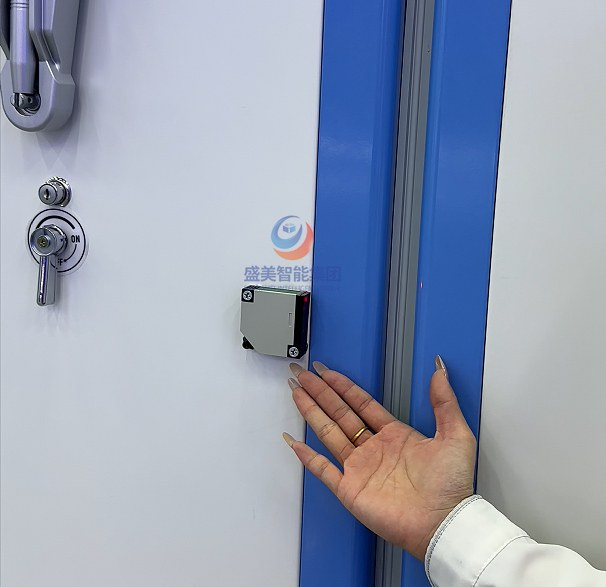
Safety compliance grade is the core hierarchical gap between the two systems — and the hard veto item for overseas audits and confidential project acceptance. Manual systems rely on three mechanical protections (anti-pinch buffers, end limits, self-locking anti-slide) with no electronic monitoring or dynamic early warning. Smart systems deploy a seven-layer 3D protection system:
Infrared Fence Protection
Real-time sensing of people and objects inside the aisle; automatic safety-zone confirmation before closing.
Light-Curtain Anti-Pinch Sensing
Full light-curtain scanning throughout closing — zero risk of pinching people or objects.
Current Overload Protection
Automatic power cutoff on abnormal load, protecting motors and wiring.
Soft Start-Stop Buffering
Eliminates instantaneous shock, protecting the rail foundation and cabinet structure.
Cabinet Tilt Monitoring
Real-time early warning of structural anomalies before settlement escalates.
Hardware Emergency Braking
One-key emergency stop with physical circuit break — independent of software.
Fault Auto-Alarm + Intelligent Self-Lock
Fault self-checking, automatic locking, and full-process data retention.
Scenario Quick Reference: Pick With Zero Risk
Combine civil condition, usage frequency, project grade, compliance needs, O&M demands, and budget cycle — these standardized rules apply to every domestic and overseas procurement review:
🖐️Choose Manual Compactor Shelving
- Old archive room renovation project
- Floor load only meets 6.0 kN/m²
- Low archive access frequency
- Non-confidential ordinary storage
- Budget focuses on upfront control
- No advanced audit or traceability needs
- Overseas non-high-standard ordinary project
🤖Choose Smart Compactor Shelving
- New digital archive room construction
- Floor load ≥ 8.0 kN/m²
- Daily high-frequency access
- Confidential or valuable archives
- Finance / judicial / medical compliance
- Domestic or overseas high-end bidding
- Full-process traceability & unmanned O&M
- Overseas advanced safety audits
The 10-Year Full-Cycle Cost Ledger 💰
Most buyers watch only the upfront price and ignore ten years of O&M, rectification, and compliance-risk cost — saving short term, losing long term:
| Cost Dimension | Manual Compactor Shelving | Smart Compactor Shelving | Value Summary |
|---|---|---|---|
| Upfront procurement & construction | Low — no reinforcement, simple work | High — premium equipment + dedicated civil works | Tight short-term budget → Manual |
| Annual failure & maintenance | Extremely low — no vulnerable electronics | Moderate — routine upkeep & calibration | Manual has lighter O&M load |
| Audit rectification & rework | Zero risk — stable compliance | Zero rework — fits advanced audits | Both hazard-free once standards met |
| Archive management labor | High — fully manual, tedious inventory | Very low — intelligent inventory, unmanned O&M | Smart saves labor long term |
| 10-year comprehensive value | Basic filing only, no digital add-on | Digital upgrade, project rating, overseas compliance | Smart wins on long-term value 🏆 |
Four Engineering Taboos — Read Before You Buy
From years of domestic and overseas delivery experience, four selection errors are absolutely prohibited for every purchaser, designer, and builder:
1Load Standard Mixing
Never force Smart systems into low-load old rooms. Insufficient dynamic redundancy inevitably causes structural settlement and equipment scrapping — an irreversible hard injury.
2Scenario Mismatch
Digital high-end and confidential audit projects must never pick Manual. It cannot deliver traceability, intelligent management, or advanced safety compliance — acceptance downgraded, audit failed.
3Cost Perception Error
Never judge by unit price alone. Labor, O&M, rework, and project-rating losses far exceed the upfront equipment price gap.
4Construction Standard Error
Never install Smart systems with manual-style simple construction. High-precision leveling, dense fastening, and anti-settlement reinforcement are mandatory — or the equipment cannot run stably.
The Ultimate Selection Formula — Contract-Ready 📝
Combining civil parameters, usage scenarios, compliance grade, and operation cycle — use these official universal criteria directly in project proposals, bidding clauses, and acceptance standards:
📝Select Manual Compactor Shelving
- Floor load 6.0–7.0 kN/m²
- Low-frequency archive access
- Ordinary, non-confidential filing
- Short-term usage
- Budget focuses on upfront control
- No digital audit or traceability needs
- Old room cannot be comprehensively reinforced
⚡Mandatory: Smart Compactor Shelving
- Floor load ≥ 8.0 kN/m²
- High-frequency daily access
- Confidential or valuable archives
- Digital archive construction
- Overseas standardized compliance project
- Full-process traceability audit
- Long-term normalized operation
- Finance / judicial / medical compliance
Overseas Procurement FAQ ❓
🎉 Get Your Free Customized Archive Room Plan
For warehouse load surveys, customized construction plans, bidding technical support, precise quotations, and overseas compliance coordination — send us the following and the Shengmei engineering team will respond one-on-one at top speed:
- Archive room length × width × height
- Current archive volume & annual growth
- Floor load data or survey report
- Country / region and city
- Equipment preference & estimated bays
- Smart-upgrade reservation (build once, upgrade losslessly)