How Smart Compact Shelving Optimizes University Library Archive Management
This article is a standardized technical white paper from Shengmei Cabinet’s Smart Campus series. Its layout, hierarchy, and writing style are aligned with the official series of white papers, suitable for public universities, private institutions, and vocational colleges for library collection renovation, school-history archive room upgrades, smart campus acceptance, university logistics standardization, and bidding projects.
University libraries carry massive resources including school-history documents, teaching archives, research materials, student records, and special collections. Traditional collection models commonly suffer from insufficient capacity, chaotic classification, inefficient retrieval, poor dust and moisture protection, low digitalization, and non-standard archiving. Starting from the real pain points of university library archive management, this article systematically explains how smart compact shelving optimizes archive management across six dimensions: space expansion, classification, intelligent retrieval, security protection, long-term archiving, and digital integration.
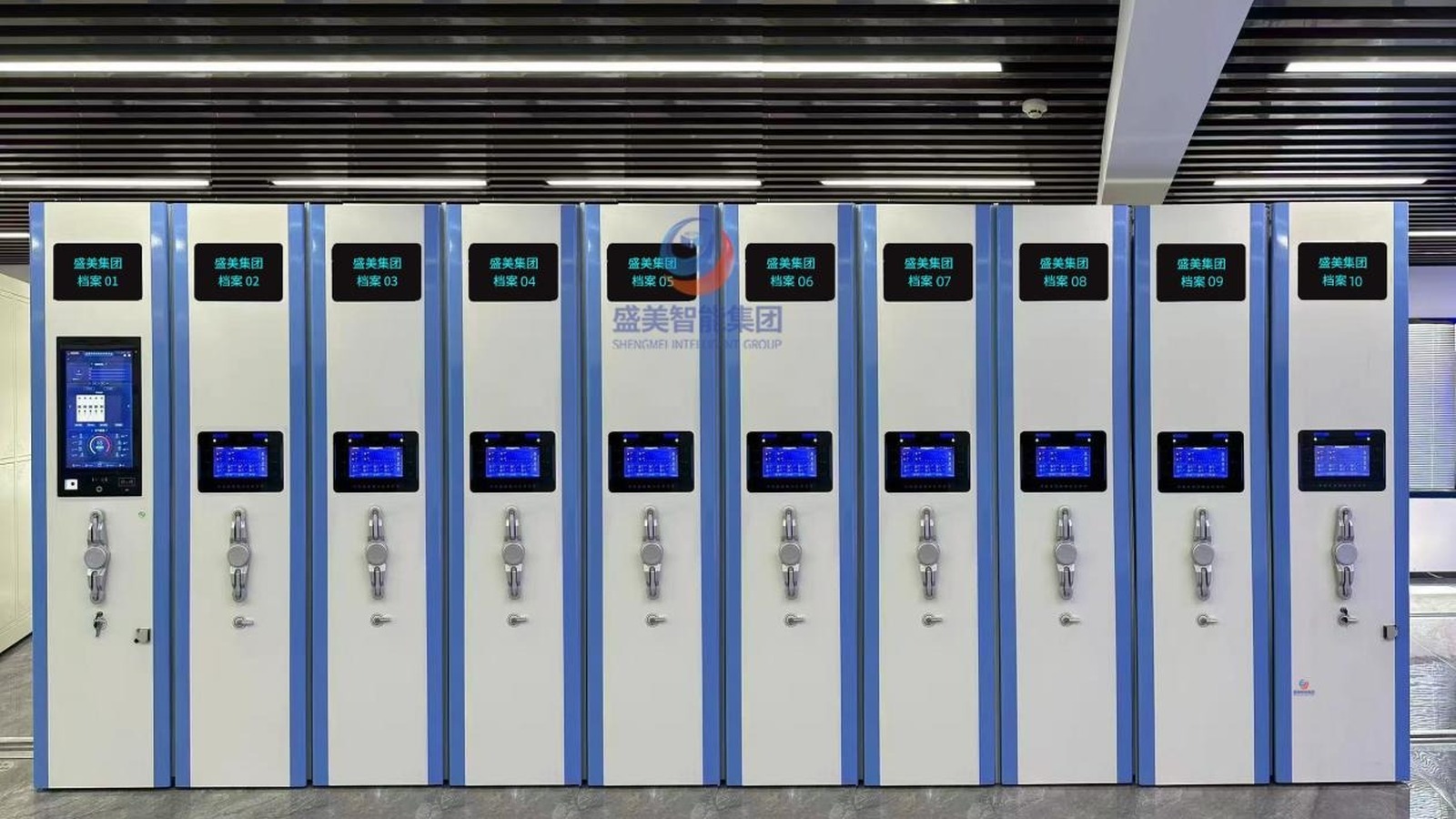
I. Unique Characteristics and Industry Pain Points
University library archives differ from single-type government or enterprise document archives. They feature diverse collection types, long material retention periods, high usage frequency, strict archiving standards, many special resources, and stable year-by-year growth. As universities expand, research achievements accumulate, student records increase annually, and school-history resources continue to enrich, traditional fixed shelves and ordinary filing cabinets can no longer meet modern university library operation needs.
1. Diverse Collection Types
Archives span school-history, teaching, research, student records, periodicals, ancient books, and administrative documents, leading to chaotic classification and scattered management.
2. Space Shortage
Yearly collection growth quickly saturates legacy archive rooms, forcing materials into corners, desks, or rented storage.
3. Manual Retrieval Inefficiency
Teachers and students wait while staff search layer by layer, causing errors, omissions, and poor service experience.
4. Weak Environmental Protection
Open shelves expose precious paper archives to dust, moisture, light, pests, and temperature swings.
5. Non-Standard Processes
Lack of standardized archiving and traceable ledgers makes it hard to pass evaluations and special inspections.
6. Lagging Digitalization
Physical collections and electronic ledgers remain disconnected, blocking smart campus integration.
II. Core Optimization Logic
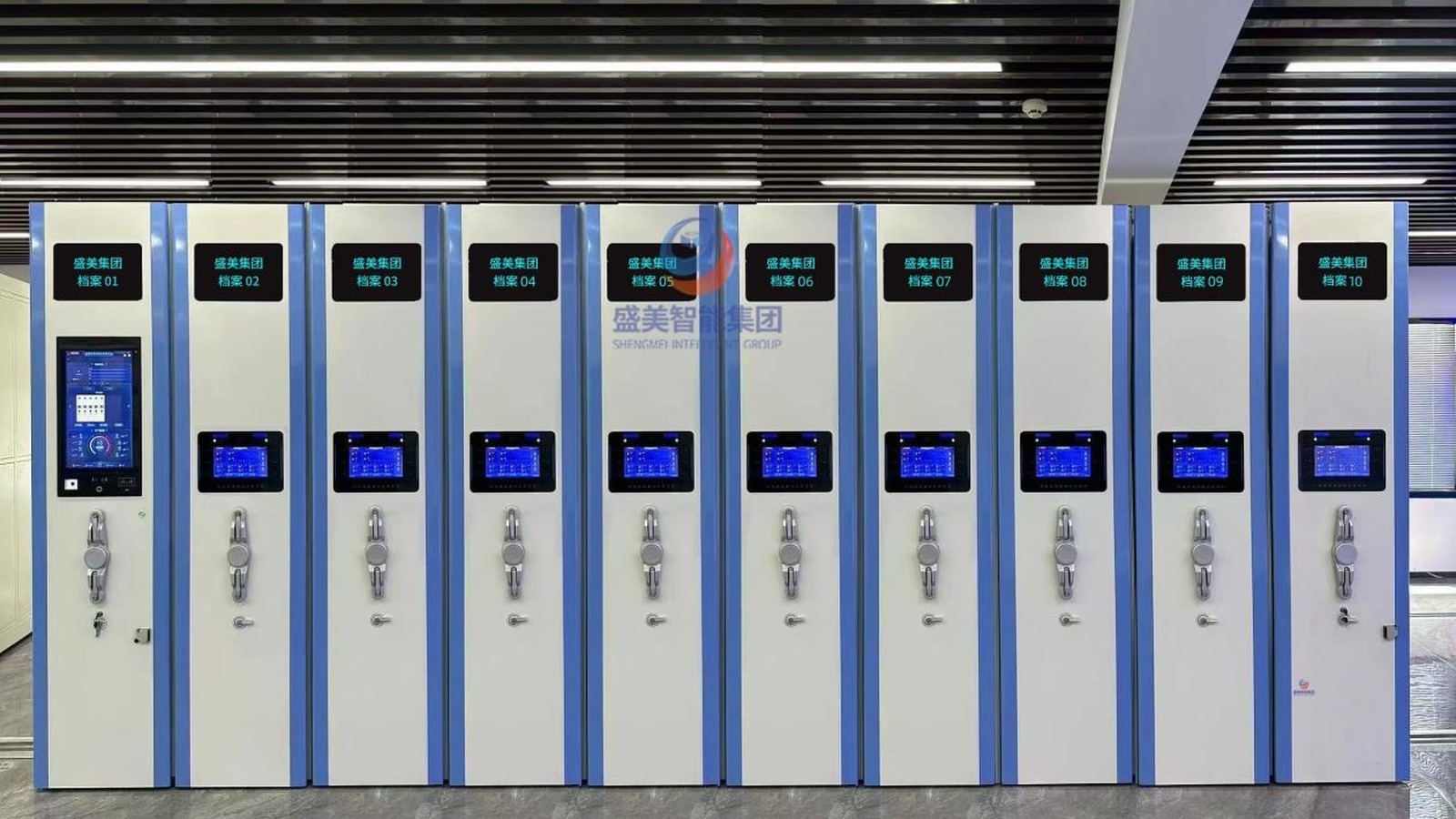
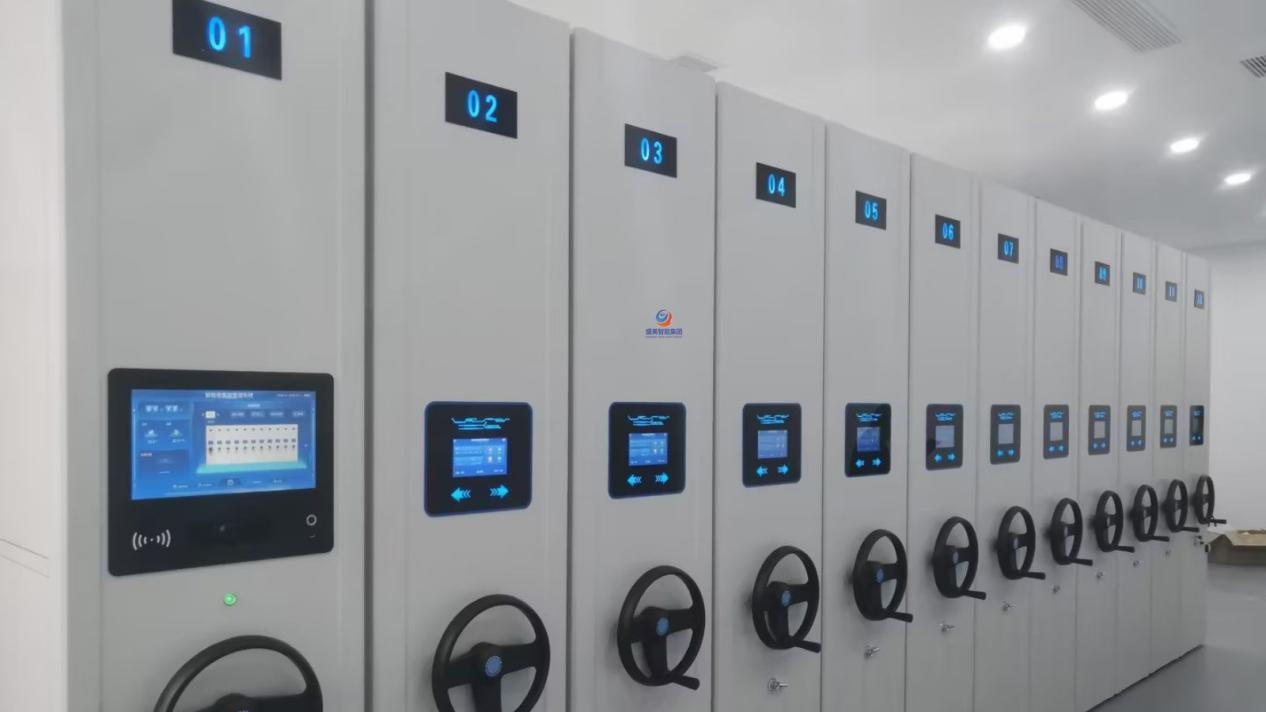
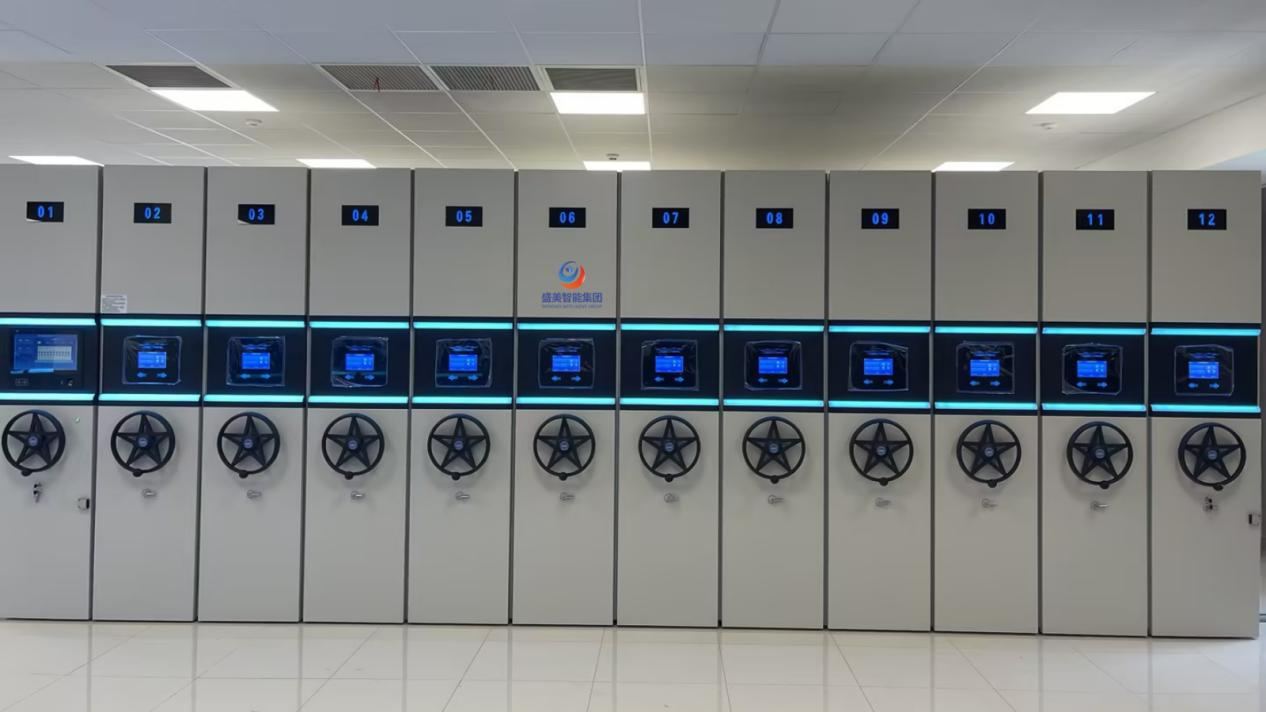
Smart compact shelving is not simply a replacement for traditional shelves and filing cabinets. Based on the unique characteristics of university libraries—diverse collection types, high usage frequency, high safety standards, high growth demand, and digital management—it reconstructs the library archive management system from five dimensions: space structure, storage mode, management system, safety protection, and intelligent operation.
1. Dynamic Intensive Structure
Traditional fixed shelves must reserve permanent aisles, with aisles occupying more than 50% of the total archive room area. Smart compact shelving adopts a floor-track mobile structure. The cabinets can be electrically and intelligently gathered and opened on demand, with no fixed redundant aisles. Compared with traditional shelves, floor space utilization increases by more than 110%.
2. Modular Zoning Layout
Smart compact shelving adopts a fully modular customized design. It can accurately divide independent areas such as school-history archives, teaching archives, research results, student records, periodicals, ancient books and special collections, and administrative documents. Each column and layer can be independently labeled, controlled, and counted.
3. Intelligent Linkage System
The university-adapted intelligent control system seamlessly interfaces with library archive management systems, smart campus platforms, and campus intranets. It supports intelligent archive positioning, one-click shelf opening, retrieval and calling, automatic registration, access traceability, intelligent inventory, and data statistics.
4. Fully Enclosed Storage Structure
After closing, the overall sealing is extremely strong, effectively isolating dust, moisture, light, and pest infestation. Combined with temperature and humidity monitoring and dehumidification systems, it maintains a constant dry storage environment for a long time.
5. Standardized Process Control
Complete access logs, operation records, authority management, and ledger statistics functions ensure the entire process is traceable, queryable, and countable, fully matching the archiving and traceability requirements of national university archive management norms.
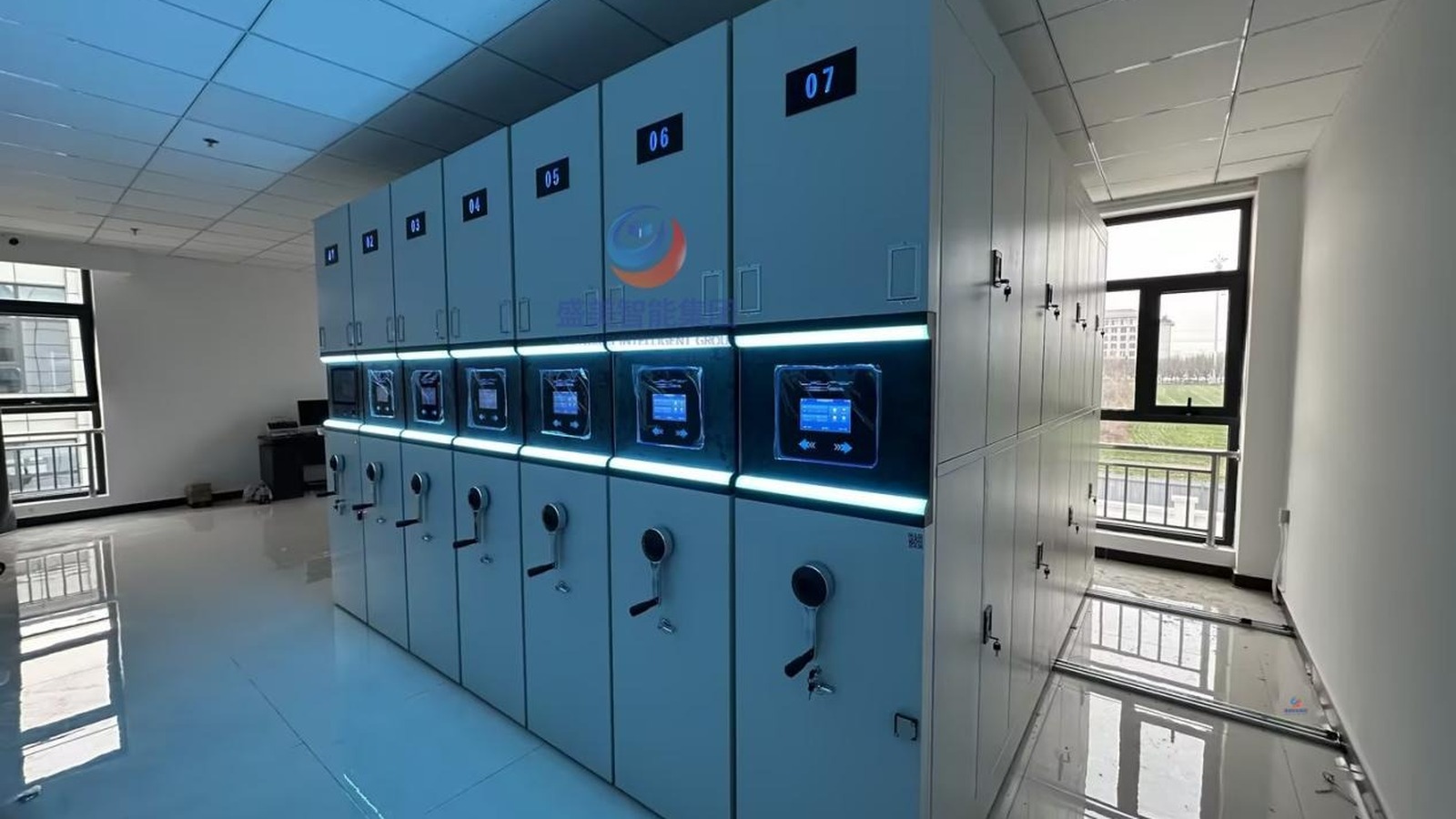
III. Comprehensive Optimization Value
Based on the implementation experience of hundreds of university library archive room renovation projects nationwide, smart compact shelving comprehensively upgrades university library archive management systems from six dimensions.
Space Value
Doubles collection capacity in the same archive room area and meets 15–20 years of growth without new construction.
Management Value
Modular zoning makes multi-type archives clearly classified, neatly arranged, and easily inventoried.
Efficiency Value
Keyword retrieval and one-click shelf opening shorten file retrieval from dozens of minutes to dozens of seconds.
Safety Value
Enclosed cabinets plus multi-level authority control protect confidential and precious collections.
Compliance Value
Standardized archiving and complete ledgers help universities pass evaluations, ratings, and inspections.
Digital Value
Seamless integration with smart campus systems enables real-time synchronization between physical and electronic archives.
IV. Data Comparison: Traditional vs. Smart Compact Shelving
Based on a sample calculation for a standard 80–120 m² university library archive room and combined with actual university collection conditions, the following standardized comparison data can be directly used in renovation plans, application materials, and bidding documents.
| Comparison Dimension | Traditional Fixed Shelves | Smart Compact Shelving | Optimization Benefit |
|---|---|---|---|
| Archive room space utilization | ≤32% | ≥75% | Space utilization increased by 120%+ |
| Collection carrying capacity | Limited, saturated in 3–5 years | Doubled expansion, 15–20 years of growth | Long-term solution to capacity pressure |
| Classification neatness | Chaotic mixing, blurred zones | Modular zoning, clear categories | Achieve refined management |
| File retrieval efficiency | Manual search, time-consuming | Intelligent positioning, one-click retrieval | Service efficiency improved by 85%+ |
| Archive protection ability | Open storage, vulnerable | Fully enclosed dust/moisture/pest protection | Zero loss of precious collections |
| Ledger traceability | Manual registration, incomplete | Full automatic logs, full traceability | Fully meet acceptance standards |
| Digital adaptation | Digital-physical disconnect | Connect to smart campus, data sync | Adapt to smart campus construction |
V. Exclusive Adaptation Functions for University Libraries
1. Multi-Dimensional Zoning Management
Custom zoning naming and authority division by archive type, year, college, purpose, and confidentiality level precisely adapt to diverse collection types.
2. Dual Mode for Users and Administrators
Simple consultation mode lets teachers and students quickly retrieve public materials, while professional management mode gives administrators full control over archiving, inventory, authority, and data export.
3. Exclusive Protection for Ancient Books
Optional light-proof and dust-proof door panels, constant temperature and humidity linkage, anti-corrosion layers, low-voltage circuits, and silent opening/closing systems protect valuable old collections.
4. Seamless Campus System Interface
API interfaces, local deployment, and campus intranet adaptation enable data interoperability with library management systems, smart campus platforms, academic affairs systems, and archive management platforms.
5. Safety Protection System
Infrared anti-pinch, light curtain sensing, emergency braking, overload protection, cabinet anti-tipping, and leakage protection ensure safe operation in high-traffic campus scenarios.
VI. Common Misconceptions and Avoidance Guide
Misconception 1: Adding More Traditional Shelves
Adding shelves only compresses passageway and fire-fighting space, worsening crowding without solving growth. It is an ineffective renovation.
Misconception 2: Ignoring Digital Adaptation
Manual compact shelving only solves space problems. Without system interfaces and traceability, it requires costly secondary upgrades.
Misconception 3: Overlooking Special Collection Protection
Open storage damages precious collections. Renovation must integrate capacity expansion, management, and protection.
Misconception 4: Generic Layout Without Campus Standards
University archiving follows clear year, college, and category norms. Custom zoning layouts are essential for acceptance.
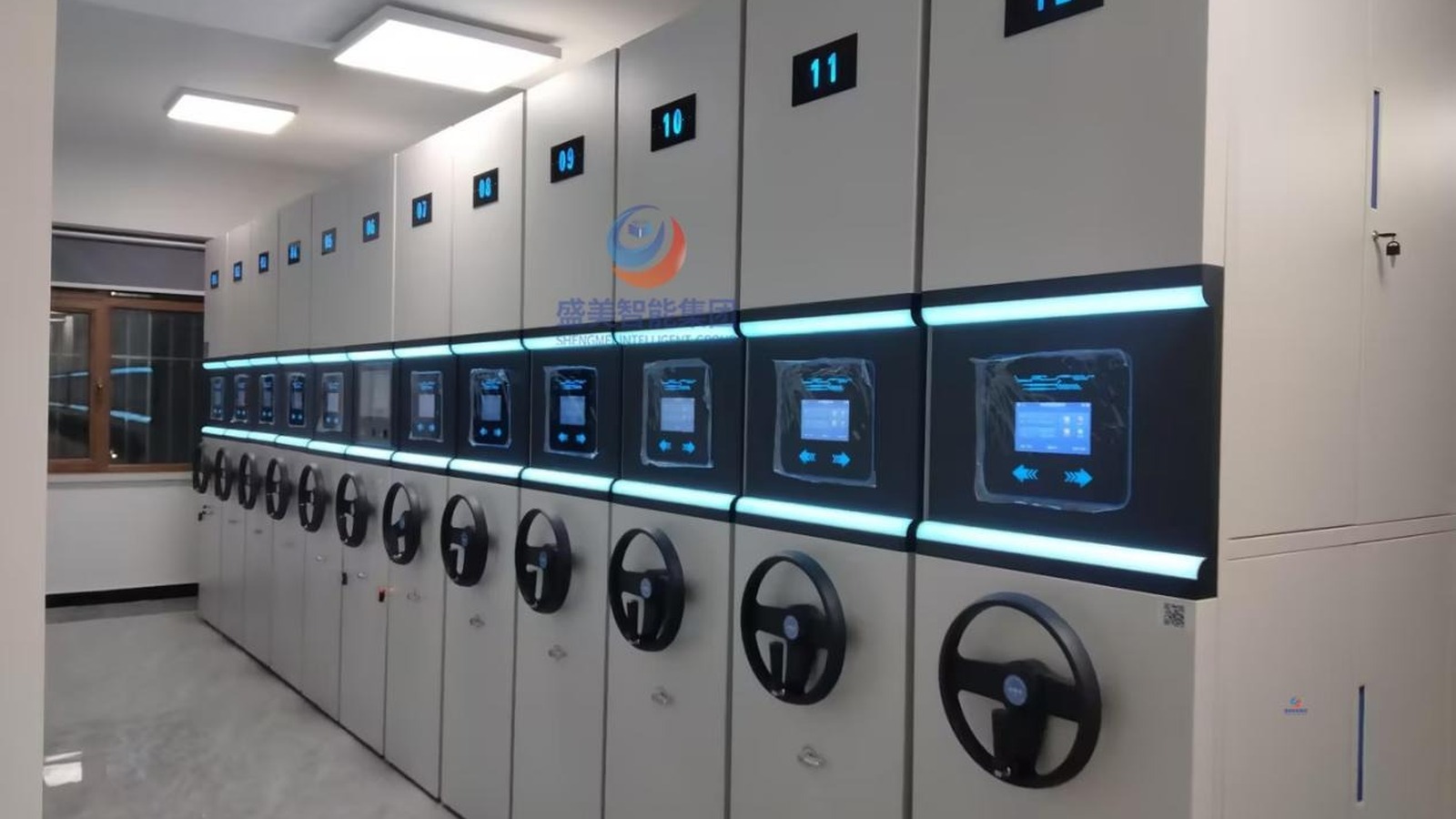
VII. Standardized Implementation Process
Step 1: On-Site Survey and Needs Research
Technical teams survey archive room area, floor height, load-bearing, fire-fighting points, circuits, and ventilation, while researching existing collection volume, annual growth, categories, digital systems, and acceptance standards.
Step 2: Custom Layout and Intelligent Solution
Based on the campus collection structure and archiving norms, customize zoning layout, layered specifications, intelligent configuration, and system interface solutions.
Step 3: Civil Foundation and Weak Current Renovation
Standardized rectification of floor leveling, load-bearing reinforcement, track foundation, weak current wiring, and circuit adaptation ensures stable operation and compliance with campus safety norms.
Step 4: Installation, Debugging, and System Interface
Modular installation, track calibration, cabinet debugging, and safety testing are completed, followed by data interface and synchronization testing with campus library and smart campus systems.
Step 5: Acceptance, Training, and After-Sales Delivery
Equipment acceptance, space utilization verification, system trial operation, administrator training, and delivery of drawings and guarantees close the project loop.
FAQ: University Library Archive Renovation
Compared with traditional open shelves, smart compact shelving can double collection capacity under the same archive room area, with space utilization increased by more than 110%. It can solve growth storage pressure for the next 15–20 years in one go.
Yes. Custom API interfaces, local deployment, and intranet adaptation can be provided according to the school’s existing system version to achieve two-way synchronization between physical archives and electronic ledgers.
Zoned construction and alternating renovation mode avoid emptying the entire archive room. Construction noise is low, the period is short, and daily work and teacher-student services continue.
Exclusive fully enclosed protection, light-proof and moisture-proof configurations, constant temperature linkage, and anti-corrosion layers maximize protection of precious paper documents and special collections.
It fully conforms to national university archive management, smart campus construction, and library evaluation standards, helping schools pass various evaluation inspections with complete ledgers and standardized archiving.
VIII. Conclusion
University library archive management is a core component of school teaching and research, school-operation traceability, cultural heritage, and smart campus construction. Traditional open shelves and extensive manual management models can no longer adapt to the development needs of new-era universities for large-capacity collections, high-precision management, high-efficiency service, high-standard compliance, and high-dimensional digitalization.
Smart compact shelving fundamentally solves these pain points through space structure reconstruction, modular zoning management, intelligent digital linkage, all-dimensional safety protection, and standardized process control. It achieves capacity expansion, management efficiency improvement, collection protection, compliance, digital upgrading, and service quality improvement. It is the optimal implementation solution for current university library archive room upgrading, collection optimization, and archive digital transformation.
For project consultation, please email info@shengmeicabinet.com or reach Kerwin on WhatsApp at +86 189 3280 1260. Email subject format: University Library Archive Renovation Project + Institution Type + Location
Project Consultation & University Solutions
Contact us for university-exclusive customized layout solutions, capacity calculation, digital system integration, bidding technical materials, and precise project quotations.