From Standard Storage Shelving to Archive Mobile Compactor Shelving
Why Archive Institutions Should Replace Their Equipment
Key topics: standard storage shelving|steel archive mobile compactor shelving|archive room upgrade|compliant archiving retrofit|records preservation|overseas equipment replacement
Why This Upgrade Matters
In the early build-out phase of overseas small and mid-sized enterprises, community archive centers, non-profit organizations, and small associations, standard storage shelving is often the default choice: it is cheap, light, easy to place, requires no complex installation, and fits general-purpose use. For ordinary scenarios — office sundries and temporary material turnover with no archiving requirements — it does have basic value. But in a professional archive room built for long-term filing, permanent preservation, and compliant management of paper records, standard shelving carries structural weaknesses: no protection, insufficient load capacity, wasted space, and non-compliance. It simply cannot meet standardized records-keeping requirements.
Field data from overseas archive rooms tells a consistent story: formal records kept long-term on standard shelving show dust and moisture damage, mold contamination, fading text, and deformed or broken archive boxes within 1–2 years; within 3–5 years the whole unit loosens, deforms, and loses load capacity, forcing a full replacement. Beyond irreversible damage to paper records, this triggers hidden costs — repeat purchasing, records re-filing, room rectification, and audit remediation — that directly undermine an institution's records-management compliance rating.
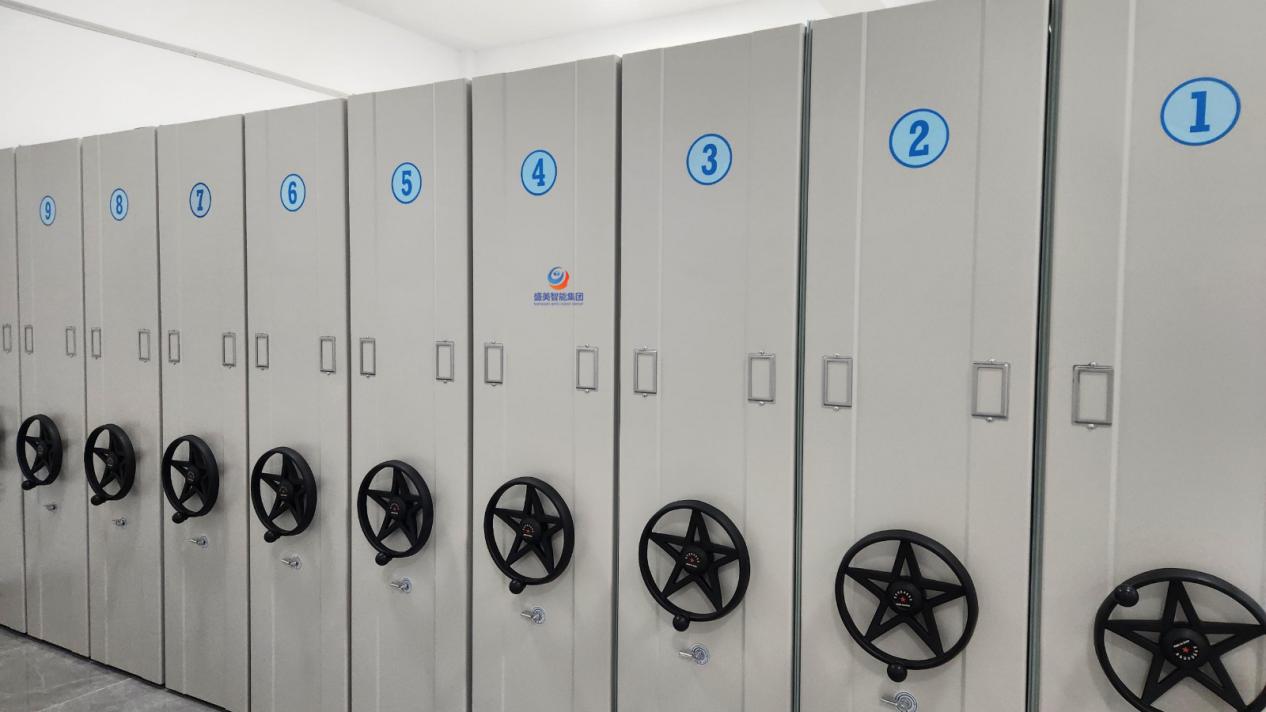
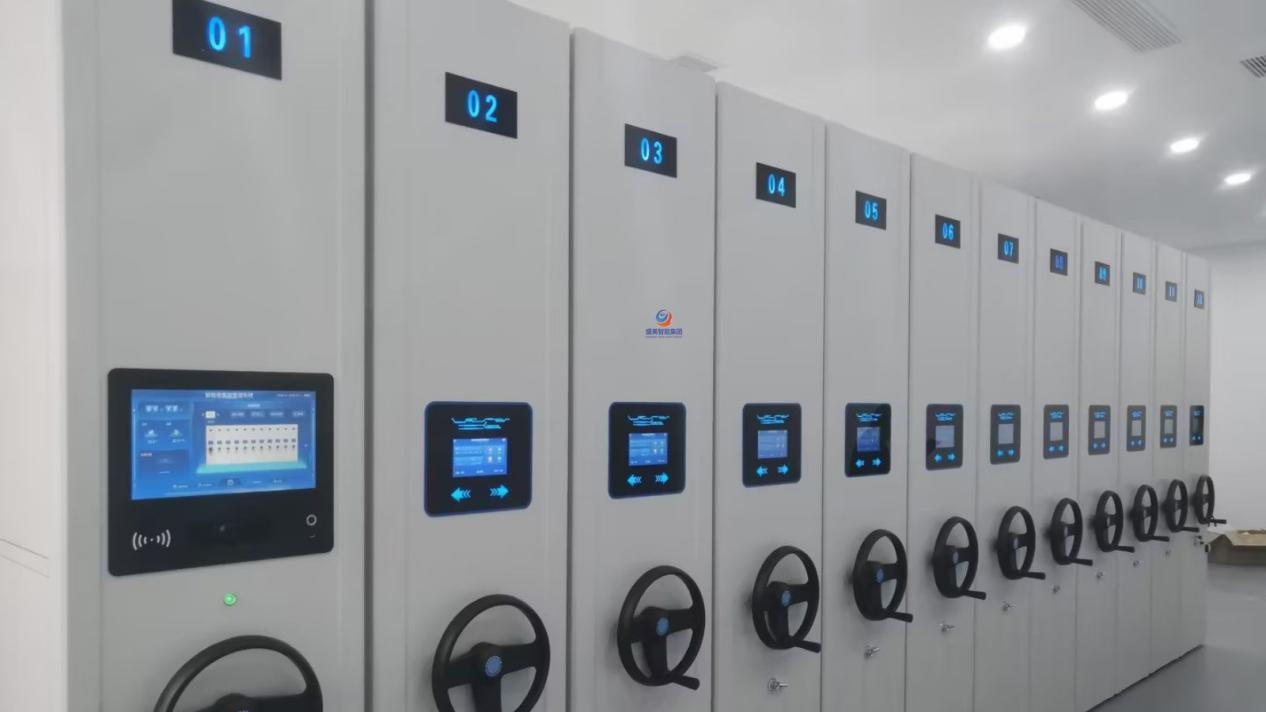
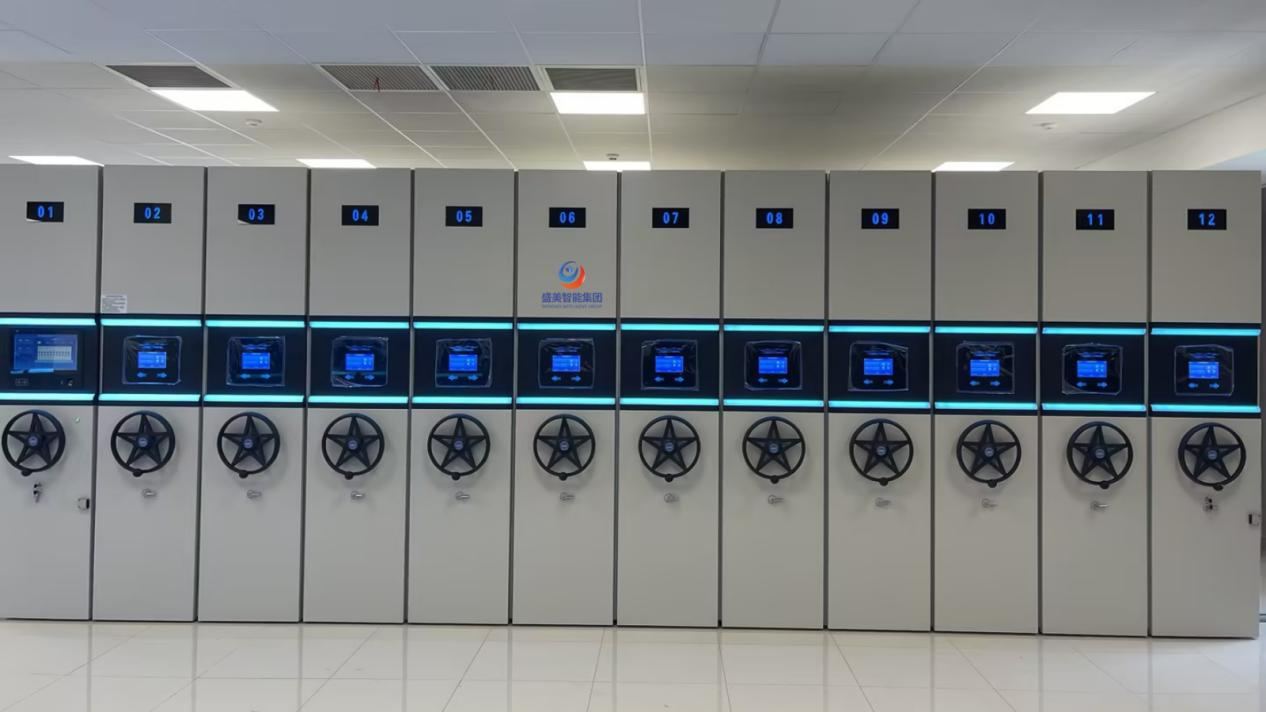
Upgrading from standard storage shelving to steel archive mobile compactor shelving is not a simple equipment swap. It is a system-level upgrade from “loose, casual storage” to “standardized, enclosed, compliant archiving” — the necessary path to long-term records preservation, orderly archive-room management, audit compliance, and lasting cost efficiency. This guide breaks down the core defects of standard shelving, the professional value of steel archive mobile compactor shelving, and the step-by-step logic of a smooth room upgrade for overseas archive institutions.

Ten Core Defects of Storing Archives on Standard Shelving
A common misconception in procurement: if a shelf can hold files, it can store archives. In reality, professional archive preservation demands load stability, enclosed protection, dust and moisture control, aging resistance, security management, and compliance — requirements that general-purpose storage shelving simply cannot meet for long-term archiving scenarios.
Weak load capacity — permanent sagging under full loads
Standard shelving is a light general-purpose structure: thin panels, weak supports, low overall rigidity. Paper records are dense and concentrated; long-term full-load storage directly causes shelf sagging, bending, and deformation, crushing archive boxes and causing creased, torn, and corner-cracked documents — permanently damaging the originals.
Poor structural stability — a genuine safety hazard
Most standard shelving is bolt-together construction with no reinforced base, no rail positioning, and no anti-tip design. Once fully loaded, a slight knock, an uneven floor, or accidental contact can make units wobble or tilt — and in severe cases topple, damaging records and injuring staff.
Fully open structure — zero archival protection
No side panels, no doors, no enclosed storage space: records sit fully exposed. Dust, humidity, mold spores, insects, and direct light continuously attack paper archives, accelerating aging, yellowing, and embrittlement — drastically shortening their usable lifespan.
Incompatible with archive-room climate control
Professional archive rooms rely on enclosed micro-environments for constant temperature and humidity. Open shelving cannot hold that controlled climate, so the effectiveness of HVAC, dehumidification, and purification equipment drops sharply — while the risk of moisture damage, mold, and insect infestation rises.
Extremely low space efficiency — rooms fill up fast
Standard shelving requires multiple fixed aisles; aisle area often exceeds actual storage area, wasting large parts of the room. As records grow year by year, the room saturates quickly, forcing overflow into corridors and added units — and the archive room becomes cluttered and unmanageable.
No security management — records slip out of control
No zoning, no locking, no positioning protection: access cannot be managed by permission or category. Anyone can browse, remove, or swap records at will — inviting loss, misfiling, leaks, and disorder, and making a standardized filing ledger impossible to maintain.
Fast aging and loosening — high maintenance costs
Bolt-together shelving has many fittings and weak connection points. Long-term loading and everyday vibration loosen screws, shake frames, and slacken the structure, demanding frequent inspection, tightening, and part replacement — maintenance costs that compound year after year.
Poor alignment — disorderly, inefficient storage
Fixed shelf spacing designed for generic goods leaves large gaps around standard archive boxes. Records sit unevenly, wasting space and slowing down both retrieval and inventory counts.
No standardized expansion — iteration becomes difficult
Mismatched specs and no unified layout standard mean new units cannot be aligned with old ones. The room grows messier over time, blocking scalable, standardized filing management and constraining long-term upgrades.
Fails international archiving compliance standards
EN 15095 equipment safety standards, OSHA industrial safety rules, and national archive audit requirements worldwide specify steel, stable, enclosed, lockable professional equipment for archival storage. General storage shelving is non-professional archiving equipment — and will not pass overseas archive audits, compliance reviews, or project acceptance.
Standard Shelving vs. Steel Archive Mobile Compactor Shelving
| Dimension | Standard Storage Shelving | Steel Archive Mobile Compactor Shelving |
|---|---|---|
| Material | Generic light-gauge panels; weak rigidity, prone to deformation and loosening; no enclosed protection | Premium thick cold-rolled steel; rust- and corrosion-resistant; monolithic stable structure; no harmful emissions; built for long-term archiving |
| Load per shelf | 40–60 kg; sags and deforms under sustained full loads | 80–120 kg uniformly distributed; no deformation after 20 years of full-load use |
| Protection | Open, exposed storage; no dust, moisture, light, or aging protection | Fully enclosed cabinets form an independent micro-environment that effectively slows paper aging |
| Stability | Simple bolt-together frame; wobbles, tilts, and risks toppling | Welded base + floor rail fixing with anti-tip limiters; exceptionally stable |
| Space efficiency | Redundant fixed aisles; under 40% space utilization; low capacity | Single-aisle mobile design; over 85% utilization; archive capacity roughly doubled |
| Security | No locks, no protection, no access control; no orderly management | Crank brake locking, master locking, anti-tip and anti-collision buffers; standardized security control |
| Service life | Ages out in 3–5 years; full replacement required | 15–20 years of stable service; supports phased expansion and iteration |
| Compliance | General-purpose storage equipment; fails permanent-archiving audits | Meets international records-keeping standards; passes overseas project acceptance, audits, and filings |

Four Core Values of Replacing Standard Shelving
1. Long-term preservation of archive assets
Paper records are core intangible assets with legal-evidence, historical-traceability, and compliance value. Moisture damage, mold, breakage, fading, and crush injuries on standard shelving are irreversible. Upgrading to enclosed, load-stable steel mobile compactor shelving blocks external erosion at the source and preserves record integrity for the long term.
2. Standardized, compliant archive management
Steel archive mobile compactor shelving is the globally recognized professional archiving equipment, fully aligned with overseas records-management codes, internal audit standards, NGO compliance reviews, and government archive acceptance. After the upgrade, storage environment, equipment standards, and management systems all come into line — eliminating audit deductions, failed compliance, and rework.
3. Doubled capacity — the expansion problem solved
Fixed aisles waste over 60% of usable space, so even slight growth overwhelms the room. Mobile compactor shelving compresses redundant aisles into a single working aisle, doubling effective storage area — no expansion, no new premises, no constant re-ordering. One upgrade covers 5–10 years of record growth.
4. Lower long-term cost, less rework waste
Standard shelving looks cheap upfront but costs more over time: short life, frequent maintenance, record losses, rectification bills, and repeated replacement cycles. Steel mobile compactor shelving is a one-time standardized investment with an extra-long service life and low maintenance — the most cost-effective professional solution for long-term archive-room operation.
A Smooth Five-Step Upgrade Roadmap for Overseas Institutions
On-site survey and customized plan
Survey the archive room's dimensions, ceiling height, beam and column positions, fire-protection points, floor levelness, and slab load; tally existing holdings, annual growth, and custody grades — then deliver a dedicated layout drawing, rail installation plan, and equipment configuration standard.
Rail foundation installed in one pass
Rails are the core infrastructure of the system and are laid once, to full levelness and load standards, with standardized expansion interfaces reserved for later phased additions and upgrades.
Phased replacement — no disruption to daily work
Permanent and confidential archives move first into the new steel compactor shelving; old standard shelving is retired batch by batch. The “use while upgrading” model keeps records access, lending, and daily room management running without interruption.
Re-shelving and standardized ledgers
Records go back on shelves by year, category, confidentiality level, and usage frequency, supported by standardized lending, storage, inventory, and filing ledgers — fine-grained, rule-based, institutional management.
Localized delivery and after-sales service
Full English equipment manuals, operating guides, maintenance notes, and acceptance documentation, plus spare wear parts — matched to overseas project acceptance, audit filing, and long-term operation needs.

Frequently Asked Questions
Conclusion
Standard storage shelving serves only basic temporary placement and sundries storage — it cannot meet the core demands of an archive room: long-term preservation, enclosed protection, compliant filing, and security management. For any serious overseas archive institution, upgrading from standard shelving to steel archive mobile compactor shelving is not an optional equipment refresh — it is a mandatory step toward standardized archive-room construction, compliance, and asset protection.
Replace generic shelving with professional steel compactor systems; replace exposed storage with enclosed protection; replace loose hoarding with standardized management — raising archive security and compliance across the board, and safeguarding long-term records management, compliant operation, and asset preservation.
Disclaimer: This article is a general reference guide for overseas archive-room equipment upgrades and selection. It does not constitute a legal basis for mandatory rectification. Each institution should design its own upgrade plan according to local records-management regulations, actual site conditions, and archive classifications.
📋 Archive Room Equipment Upgrade · Selection Consultation
For overseas archive-room upgrade projects of every scale, we provide shelving-vs-compactor comparison assessment, load surveying, capacity calculation, customized layout design, and compliance-upgrade advice — delivering a dedicated upgrade plan, tender-ready technical parameters, and a procurement risk checklist that helps you avoid mismatched equipment, insufficient capacity, failed compliance, and wasteful rework, so your archive room reaches full standardization at low cost and zero disruption.
Example: Archive Room Equipment Upgrade Inquiry + 200 m² Corporate Archive Room + Standard Shelving-to-Compactor Upgrade
To speed up a precise upgrade plan and capacity report, include your room dimensions, floor load conditions, current equipment type, and record retention period.